Rethinking Wellness : It's Not Biohacking vs Traditional Wellness - It's Evolution
Over the last decade or so, structured fitness, balanced eating, mindfulness and sleep have gone from niche interests to fairly standard parts of everyday life for a lot of people.
That’s a genuinely good thing. These habits are the backbone of decent health, and more people than ever are actually putting effort into them.
But there’s a point a lot of my clients reach where the effort stops translating into progress.
You’re training consistently, eating well, prioritising recovery, and yet energy plateaus, recovery starts taking longer, and the results just don’t quite match what you’re putting in.
Which raises the obvious question: what happens once doing all the right things stops being enough on its own?
What Traditional Wellness Actually Does Well
Traditional wellness, regular exercise, balanced nutrition, quality sleep, stress management, is essential, and it’s worth saying that plainly before getting into its limits.
It supports cardiovascular health, metabolic function and mental wellbeing, and forms the genuine baseline for a sustainable, healthy life. None of what follows is meant to undermine that foundation.
Where it tends to fall short is in a few specific ways. It’s generalised, built for broad adoption rather than your specific biology.
Progress is gradual, even with real consistency. It’s difficult to measure objectively, since most of the feedback is how you look or feel rather than any actual data.
And it’s prone to plateaus, because your body adapts to repeated inputs and becomes more efficient at handling them, which is exactly why the same workout that used to leave you wrecked eventually starts to feel almost easy without necessarily delivering more.
Where Biohacking Comes In
Biohacking, in the sense we mean it at BE SUPERHUMAN, isn’t about replacing any of that. It’s a more precise, targeted layer of support that works alongside good habits rather than instead of them, using specific interventions aimed at how your body functions at a cellular level – recovery, energy production, cellular repair, and physical and cognitive performance.
Put simply: traditional wellness asks how you stay healthy. Biohacking asks how you actually function at your best.
How the Two Approaches Actually Differ
| Traditional Wellness | Biohacking | |
|---|---|---|
| Approach | Habit-based, preventative | Targeted, optimisation-focused |
| Pace | Gradual improvement over time | Aimed at accelerating specific outcomes |
| Personalisation | General guidelines for broad adoption | Tailored to your specific needs and goals |
| How you measure it | Largely subjective – energy, mood, how you feel | More objective – performance and recovery patterns |
| Main focus | Maintaining overall health | Enhancing performance, recovery and longevity |
Why Plateaus Happen in the First Place
One of the more common frustrations for genuinely health-conscious people is hitting a wall despite doing everything right.
It happens because the body is remarkably adaptive – over time it gets more efficient at handling the same inputs, which means workouts start feeling easier while delivering fewer actual gains, recovery slows as underlying stress quietly accumulates, and energy fluctuates even when your habits haven’t changed.
Performance and recovery are shaped by more than training consistency alone.
How efficiently your cells are producing energy, how well oxygen is actually being delivered around your body, and how your system manages everyday inflammation all play a real role in how you perform, recover and handle stress.
Traditional wellness supports the overall picture, but it doesn’t directly target these deeper physiological processes in the way more specific interventions can.
Where Our Therapies Actually Fit
This is really where the treatments we offer come in, working at a more targeted level than diet and exercise alone tend to reach.
Red light therapy is linked to supporting mitochondrial function, which sits at the centre of your body’s energy production and recovery capacity.
It tends to suit people dealing with fatigue, slower recovery between sessions, or the accumulated effects of long-term physical stress particularly well.
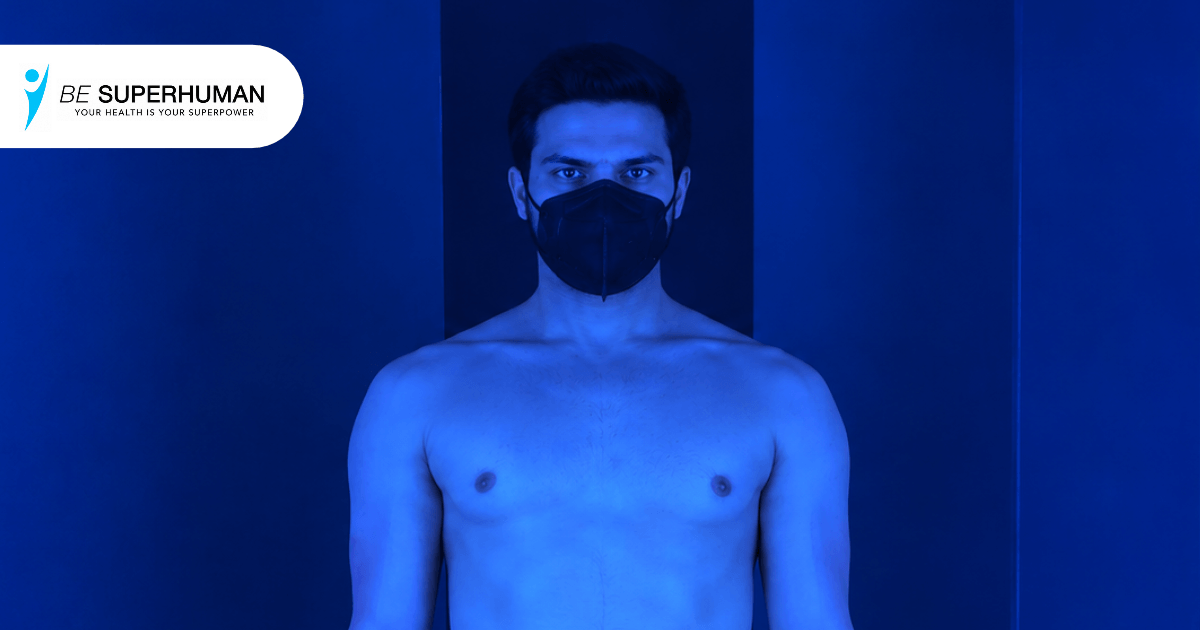
Whole body cryotherapy is designed to support the body’s natural response to inflammation and assist muscle recovery, making it a strong option for anyone training seriously, managing everyday inflammation, or simply wanting to speed up recovery after a demanding week.
Hyperbaric oxygen therapy increases how much oxygen is available throughout your body, supporting tissue repair and recovery, and it’s increasingly recognised across both clinical and performance settings in the UK.
Compression therapy supports circulation and your body’s natural lymphatic drainage, helping with recovery and reducing that heavy, fluid-retention feeling that tends to build up after long periods on your feet or hard training.
Do You Actually Need Both?
The honest answer isn’t choosing one over the other. It’s combining them sensibly, depending on where you are.
Traditional wellness is genuinely enough if you’re building foundational habits, maintaining general health, or supporting long-term wellbeing without a specific goal pushing you further.
It’s worth going beyond that once you’ve hit a plateau, recovery feels slower than it should, your energy isn’t consistent despite good habits, or you’re working toward a specific performance or longevity goal that general wellness alone isn’t quite delivering.
Biohacking doesn’t replace the fundamentals. It extends them, and it tends to work best layered on top of habits that are already reasonably solid, rather than as a substitute for them.
Worth Starting With Proper Conversation
Before adding anything new, it helps to actually understand where your body currently stands, rather than guessing which therapy sounds most appealing.
A consultation with our team lets us talk through your goals, your current routine, and where you’re feeling the strain, so any recommendations are grounded in your actual situation rather than a generic protocol.
If you’ve been doing everything right and still feel like something’s missing, that’s exactly the conversation worth having.
Frequently Asked Questions
The body adapts to repeated behaviours, meaning the same habits become progressively less effective without variation or more targeted support. This is why consistent effort can still lead to a plateau in energy, recovery or results.
It provides an essential foundation, but it doesn’t always fully support performance, recovery or longevity goals on its own. For those with specific targets or who’ve hit a plateau, more targeted therapies can offer meaningful additional support.
Traditional wellness is habit-based and preventative, focused on maintaining general health through diet, exercise and sleep. Biohacking is more targeted and optimisation-focused, using specific therapies to support recovery, energy and performance at a deeper physiological level.
No, and they’re not meant to. Therapies like red light therapy, cryotherapy and HBOT work best as a complement to solid diet and exercise habits, targeting recovery and cellular function in ways those habits alone don’t fully reach.
When delivered using proper equipment by trained professionals in a managed clinical environment, these treatments are widely considered safe and are used in both clinical and performance settings.
Signs worth paying attention to include hitting a plateau despite consistent effort, recovery feeling slower than expected, inconsistent energy levels, or working toward a specific performance or longevity goal that general habits aren’t quite achieving on their own.
Talk To Therapists
Schedule a call to talk to out health optimisation therapists at BE SUPERHUMAN
Latest Posts
- All Posts
- Active Recovery
- Cellular Health
- Everyday Energy
- Health Optimisation
- London Wellness
- Recovery Tech