Morning vs Evening - When to Book Each Treatment For Best Results
Once you’ve settled into a regular routine with any of our treatments, a practical question tends to follow, does it actually matter what time of day you book, or is it purely down to whenever fits your diary? The honest answer is a bit of both, timing genuinely does change how a session feels and what you get out of it, though your schedule is a perfectly reasonable factor too. Here’s how to think about it properly.
Whole Body Cryotherapy
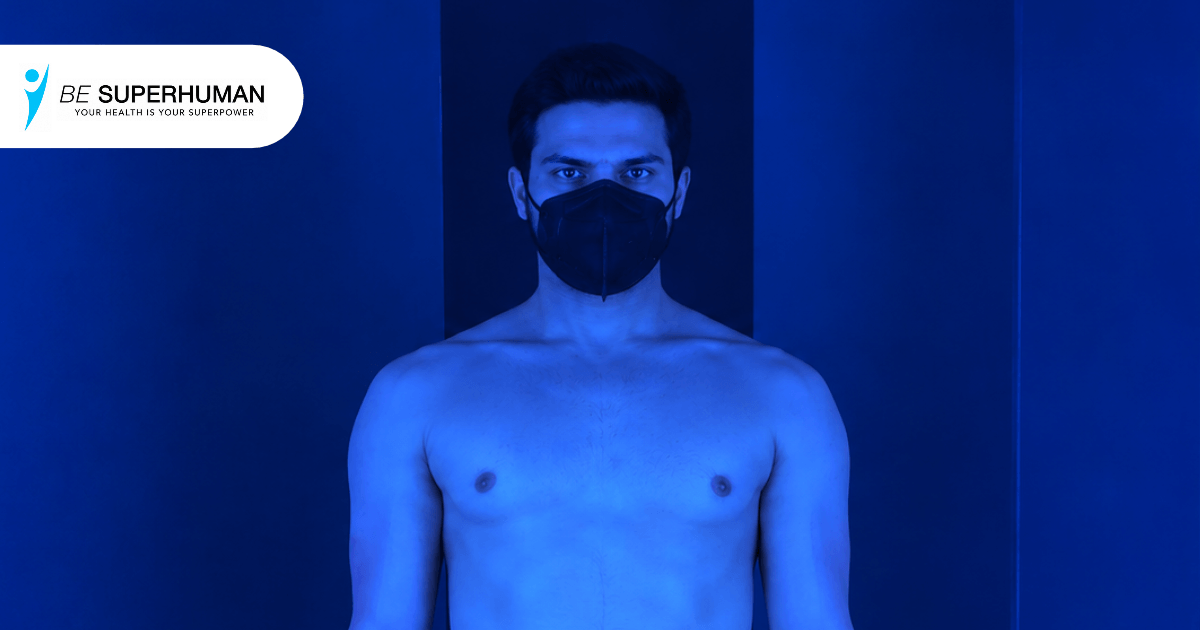
Morning sessions tend to suit people wanting a genuine, fast alertness boost to start the day properly switched on, arguably more effective than your usual coffee for that specific purpose.
Evening sessions work well too, particularly after a workout, though some people find the alertness effect makes it harder to wind down if booked too close to bedtime.
If you’re sensitive to that, an earlier evening slot, well before you’d normally start winding down, tends to work better than a late one.
Hyperbaric Oxygen Therapy
This one genuinely suits either end of the day, depending on what you’re after. A morning session can set you up with a properly calm, focused start before a demanding day.
An evening session, particularly given the enforced stillness and phone-free hour, works well as a genuine transition out of work mode and into a more relaxed evening, which a lot of our clients specifically use it for.
Red Light Therapy
Because it’s gentle and doesn’t carry the same alertness effect as cryotherapy, red light therapy is genuinely flexible across the day. A lunchtime session works well as a midday reset.
An evening session, particularly a couple of hours before bed, tends to suit people using it partly for relaxation alongside the skin and recovery benefits.
Compression Therapy
Evening sessions are particularly popular for compression therapy, since it’s often used specifically to address legs that have felt heavy or tired throughout the day, making an after-work slot a natural fit.
That said, a morning session before a day you know will involve a lot of standing or sitting still can help you start from a better baseline too.
IV Nutritional Therapy
Timing here depends more on the reason for the drip than a general rule. If you’re using it after a long-haul flight, timing it as soon as reasonably possible after landing tends to be most useful.
For general hydration or a vitamin top-up, morning sessions mean you’re benefiting from the effects through the rest of your day, while evening sessions suit anyone specifically recovering from a demanding day just gone.
A General Pattern Worth Knowing
If a treatment tends to leave you feeling more alert and energised, cryotherapy being the clearest example, it generally works better earlier in the day or well before you’d want to start winding down.
If a treatment is more calming or restorative, HBOT and red light therapy both fit this reasonably well, it tends to work at either end of the day depending on what you personally find more useful, a calm start or a proper transition into evening.
Building This Around Your Actual Schedule
None of this should override what’s actually realistic for you. A session that happens consistently at a slightly less “ideal” time is considerably more valuable than a perfectly timed session you can never quite fit in.
If your only genuinely free slot is a Tuesday lunchtime, that’s a perfectly good time to build a routine around, regardless of what general timing advice might suggest.
If you’re building a regular routine and want to think through timing properly, our team is happy to talk through what tends to work well for your specific goals and schedule.
Frequently Asked Questions
Morning sessions tend to suit people wanting an alertness boost to start the day, while evening sessions work well too, particularly after a workout, though it’s worth avoiding a very late session if the alertness effect makes it harder to wind down.
HBOT suits either end of the day well. Morning sessions offer a calm, focused start, while evening sessions work as a genuine transition out of work mode given the enforced stillness involved.
Yes, this works well for many people, since red light therapy is gentle and doesn’t carry an alertness effect, making an evening session a reasonable part of a wind-down routine alongside its other benefits.
Many people find evening sessions particularly useful for compression therapy, since it’s often used to address legs that have felt heavy throughout the day, though morning sessions before a demanding day are also worthwhile.
As soon as reasonably possible after landing tends to be most useful, helping you catch up on hydration and nutrients before an important day ahead.
Timing can genuinely change how a session feels and what you get from it, but a consistent routine at a realistic time is more valuable than an ideally timed session you can rarely fit in.
Talk To Therapists
Schedule a call to talk to out health optimisation therapists at BE SUPERHUMAN
Latest Posts
- All Posts
- Active Recovery
- Cellular Health
- Everyday Energy
- Health Optimisation
- London Wellness
- Recovery Tech