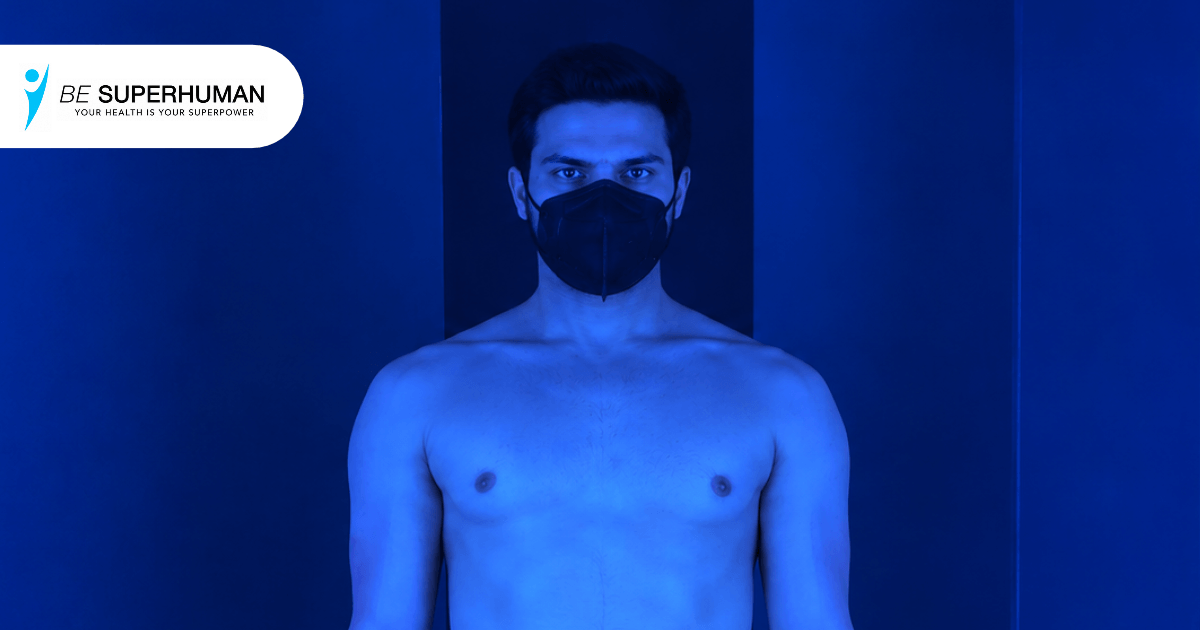
Cryotherapy Chamber vs. Ice Bath : Which is Better?
Cold therapy has been part of the recovery conversation in sport for decades, and these days it’s just as common to hear someone talking about their morning cold plunge as their morning coffee.
But the question people actually want answered is simpler than the wellness discourse around it suggests: which version is actually better, a proper cryotherapy chamber or a straightforward ice bath?
Here’s an honest look at both, including where each one falls short.
Ice Bath Benefits
Ice baths and cold plunges are essentially the same thing by different names, and they come in whatever form you’ve got access to, a bathtub, a barrel, a purpose-built plunge tub.
The generally recommended range is somewhere between 41 and 50 degrees Fahrenheit. Colder than that and the water becomes difficult to tolerate safely.
Research into cold water immersion, including studies published in the Journal of Physiology, points to a fairly consistent set of benefits : faster recovery, support for immune function, reduced pain and swelling, a genuine energy lift, stress relief, muscle recovery, improved heart rate variability, and benefits for endurance training.
Part of what’s happening physiologically is that your sympathetic nervous system sends an urgent signal to get out the moment you’re submerged.
Staying in, breathing slowly and deliberately, and essentially convincing your brain that everything’s fine, is part of what builds the mental resilience a lot of people find genuinely valuable about the practice, alongside the physical benefits. Most guidance suggests staying in for somewhere between two and ten minutes, and getting out the moment you start properly shivering.
Where Ice Baths Fall Short
Ice baths are accessible to almost anyone with a tub and some ice, which is a genuine advantage.
But they also deliver a bigger initial shock to the system, which can be genuinely overwhelming for anyone new to cold exposure.
They’re not recommended for people with blood pressure issues or existing heart conditions, and there’s a real risk of hypothermia or frostbite if the water is colder than it should be or you stay in too long without proper supervision.
What Whole Body Cryotherapy Actually Is
Whole body cryotherapy involves standing in a specially designed cold chamber, using dry, extremely cold air rather than water, typically somewhere in the range of -166°F to -220°F.
That sounds considerably more extreme than an ice bath on paper, but most people find it more tolerable in practice, partly because the air is dry rather than wet, which changes how the cold is actually experienced.
For athletes in particular, whole body cryotherapy is widely regarded as an effective way to ease muscle soreness and support faster recovery after intense training.
Commonly reported benefits include reduced everyday inflammation, support for a balanced stress hormone response, a lift in mood, support for circulation as blood vessels respond to the cold, reduced soreness after exercise, and benefits for skin health.
Where Cryotherapy Falls Short
Cryotherapy is generally considered safe when properly supervised, but it isn’t entirely without risk.
Frostbite and skin irritation remain possible if protective gear isn’t used correctly, and as with ice baths, it’s generally not recommended for anyone with certain heart or blood pressure conditions.
It also tends to be less accessible than an ice bath simply on cost, since it requires purpose-built equipment and trained supervision rather than a tub and some ice at home.
The Real Differences Between the Two
The core distinction comes down to dry air versus water. Whole body cryotherapy uses dry, gradually cooling air, which reduces the shock of the initial exposure compared with plunging straight into icy water, and the lack of humidity is part of why the chamber, despite the lower number on paper, tends to feel more manageable than an ice bath.
There’s also a meaningful safety difference. Your core body temperature stays warm throughout a cryotherapy session, so there’s very little risk of actually over-chilling, whereas cold water immersion carries a genuine hypothermia risk if you’re not careful with timing.
Cryotherapy sessions are also always supervised by a trained professional, while a lot of at-home ice baths happen without anyone else regulating the time, which is where most of the risk tends to creep in.
So Which Is Actually Better?
Both offer genuine benefits, and it’s worth being honest that the research doesn’t clearly crown one over the other.
Some studies, including a widely cited paper in Frontiers in Physiology, suggest cold water immersion may have a slight edge for easing post-exercise fatigue specifically, while cryotherapy tends to win out on comfort, safety and convenience, given that a full session takes just a few minutes and you never actually get wet.
For most people, especially anyone newer to cold exposure, cryotherapy tends to be the gentler, more manageable entry point, while ice baths suit people who already have some experience with cold exposure and want the deeper, more prolonged immersion that a chamber can’t quite replicate.
When to Use Which
If you’re after rapid relief between intense training sessions, minimal disruption to your day, and a controlled, supervised environment, cryotherapy is generally the better fit.
If you’re specifically chasing the deeper muscle recovery and the particular mental resilience that comes with prolonged cold water immersion, and you’re comfortable with the extra time and preparation involved, an ice bath may suit you better.
Either way, cold therapy is a genuinely useful tool worth having in your recovery routine, and the right choice mostly comes down to your experience level, how much time you’ve got, and simple personal preference.
If you’d like to try cryotherapy properly, in a supervised, controlled setting rather than working it out at home, our team at BE SUPERHUMAN is happy to talk you through what to expect on your first visit.
Frequently Asked Questions
It’s mainly used to support circulation and lymphatic drainage, ease the feeling of heavy or swollen legs, and reduce post-workout muscle fatigue, making it useful for both athletes and anyone on their feet or at a desk for long periods.
Many people find it noticeably eases the heavy, swollen feeling that builds up from long commutes, flights, or standing for extended periods, as the sequential pressure supports fluid movement back up the leg.
Sessions typically run between 30 and 60 minutes, depending on your schedule and what you’re hoping to get out of it.
No, it shouldn’t be. It should feel like a firm, rolling massage rather than anything uncomfortable, and the pressure can be adjusted up or down during your session.
Yes, it’s a popular choice among runners and regular gym-goers, as it’s designed to ease post-exercise soreness and general leg fatigue by supporting circulation and mimicking the body’s natural muscle pump.
Yes, pairing a cryotherapy session with compression therapy straight afterwards is a common combination, using the circulation boost from the cold to help push fresh blood through the legs during the compression session.
Talk To Therapists
Schedule a call to talk to out health optimisation therapists at BE SUPERHUMAN
Latest Posts
- All Posts
- Active Recovery
- Cellular Health
- Everyday Energy
- Health Optimisation
- London Wellness
- Recovery Tech