Why Not All Red Light Therapy Is Created Equal
Red light therapy used to live in specialist clinics and sports labs. Now it lives on bedside tables. The LED face mask has become a nightly ritual, a social media prop and, for some, a promise of a brighter complexion while scrolling in bed.
There is nothing wrong with the light itself. But the gap between a well-specified device used sensibly and a cheap one sold on a hashtag is wide, and it is becoming clearer that the details matter.
Here is a plain guide to what those details are, what the regulator has been saying and how to judge any red light offering, whether it is a mask, a panel or a clinic session.
A Quick Word on the Technology
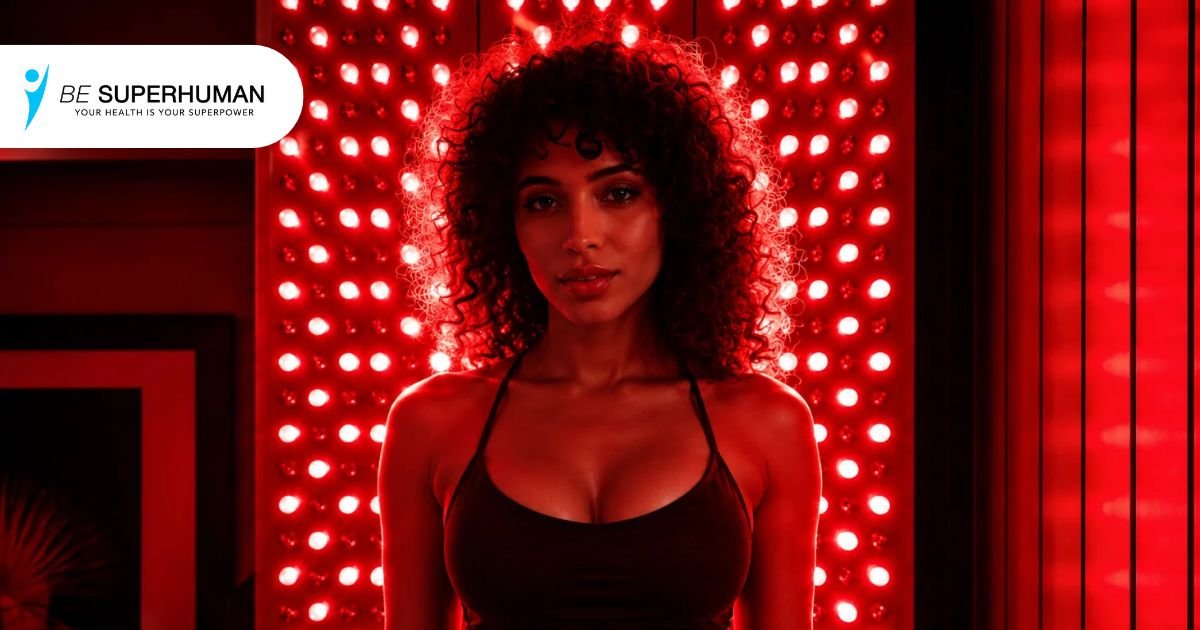
Red light therapy generally refers to exposure to red and near-infrared wavelengths of light. The research field is often called photobiomodulation.
Our article on why red light therapy uses two different wavelengths explains how the two differ, with red light mostly acting nearer the skin surface and near-infrared reaching deeper.
Interest in the technology is real, and so is ongoing research. It is also true that evidence varies depending on the purpose, the equipment and the protocol, which is exactly why the details count.
Why the Dose Matters More Than the Light
With any light-based treatment, the amount of energy delivered is what counts. A few factors shape it.
- Wavelength. The specific wavelengths used determine how the light interacts with tissue. Not all devices are accurate about what they emit.
- Irradiance. This is the power of light reaching the skin, usually described per square centimetre. Devices vary enormously, and a lower output means a different exposure for the same time.
- Distance. The further a person is from the light source, the lower the intensity that reaches them.
- Treatment time. The duration has to match the output. A weak device used for ten minutes and a stronger one used for the same ten minutes do not deliver the same dose.
- Coverage. A small mask treats the face. A full-body panel treats a much larger area. Neither is automatically better, since they are built for different purposes.
- Consistency. Evenness of output across the surface matters as much as the headline figure.
More is not automatically better either. A device boasting extra bulbs or a bigger number is not necessarily a better device. Diode count alone says very little about the dose actually delivered, and a higher output is not a sign of quality in itself.
Our article on professional red light therapy versus home devices compares the two settings in more detail.
What the Advertising Regulator Has Been Saying
The boom in at-home LED masks has also drawn regulatory attention. In late 2025, the UK Advertising Standards Authority upheld complaints against several LED face mask advertisements. The adverts made claims such as treating acne or rosacea, and the ASA found that those medicinal claims were not backed by evidence that the products met the applicable UK medical device requirements.
It is worth being clear about what this does and does not mean:
- It was not a ruling against red light therapy as a whole. The concern was specific medicinal claims and whether products met the rules that apply to such claims.
- It highlights an industry that has moved faster than its marketing. Dramatic before-and-after photos and promises to clear skin in weeks go well beyond what responsible wellbeing advertising can say.
- It shifts the burden onto buyers. With the claims in the market so varied, people end up doing the vetting themselves.
This is why BE SUPERHUMAN describes red light therapy as a wellbeing and recovery service. It is not presented as a treatment for acne, rosacea, eczema or any other medical condition, and anyone with a skin condition should speak to a GP or dermatologist.
Questions Worth Asking About Any Red Light Offering
Whether it is a device for sale, a salon session or a clinic, a few questions cut through marketing.
- Who is running it and what training do they have? Supervision and guidance matter.
- What wavelengths does it emit, and is that published clearly?
- What is the irradiance, and at what distance? A figure without a distance means little.
- What area does it cover and how long is the recommended exposure?
- What evidence supports the specific claims being made? Be wary of claims that sound medical.
- If a device claims to treat a medical condition, does it meet the applicable UK medical device requirements?
- Who is it not suitable for, and what screening is done first?
- What happens if it does not suit? Honest providers explain the limits of what to expect.
If the answers are vague, or specifications are hard to find, that is informative in itself.
What Supervised Sessions Add
A supervised session is a different category of experience from a battery-powered mask bought online, not because of any magic in the room but because several things are considered together: the equipment, the exposure, the person and the context.
At BE SUPERHUMAN, red light therapy is delivered as a supervised in-clinic session using full-body panels with red and near-infrared wavelengths, guided by a therapist who talks through what to expect, checks suitability and adjusts to the individual. Our article on how long red light therapy takes covers what a session and a sensible rhythm look like.
That is not a claim that clinic sessions suit everyone or that home devices are pointless. Some people enjoy a mask or panel at home as a complement. The point is simply to make informed choices.
Keeping Expectations Realistic
Whatever route is chosen, a few honest points apply.
- Responses vary from person to person. Nobody can promise a particular result or timeline.
- Skin appearance and general comfort are subjective. Photographs at consistent times and lighting tell far more than memory.
- Sleep, movement, nutrition and sun protection do more for skin and recovery than any device. Our article on red light therapy for skin and our article on joint comfort explain what realistic expectations look like.
- Persistent skin changes need proper assessment. A new or changing mole, a rash that will not settle or any skin condition should be checked by a GP or dermatologist, not treated as a wellness matter.
Safety Basics
Red light therapy is generally well tolerated, but it is not suitable for everyone.
- Eye protection should be used, particularly for facial treatments
- Anyone who is pregnant, photosensitive, taking medication that increases light sensitivity or living with a health condition should speak to their GP first
- Anyone with a history of skin cancer should seek medical advice before using any light-based device
Where This Fits at BE SUPERHUMAN
BE SUPERHUMAN offers red light therapy alongside cryotherapy, hyperbaric oxygen therapy, dynamic compression therapy and IV Nutritional Therapy, across central London, Upminster and Buckhurst Hill.
Many clients pair red light with a short cryotherapy session or a compression session, as our guide on how to build a recovery stack explains.
To ask about the equipment, what a session involves or what might suit, get in touch with the team. Straight answers, no pressure, no promised outcomes.
Frequently Asked Questions
No. Devices differ in wavelength, irradiance, coverage and recommended exposure time, which together determine the dose delivered. Diode count or price alone says little about quality.
LED masks are compact devices that treat the face, usually at lower output. Clinic sessions typically use larger panels that cover more of the body, with supervision. Neither suits everyone, and they are built for different purposes.
No. In late 2025 the ASA upheld complaints against several LED face mask adverts that made medicinal claims, such as treating acne or rosacea, without evidence that the products met the applicable medical device requirements. It was a ruling on advertising claims, not on red light therapy as a whole.
Ask about wavelengths, irradiance and distance, treatment area, recommended exposure time, the evidence behind any claims and, if medical claims are made, whether it meets the applicable UK medical device requirements.
BE SUPERHUMAN does not offer red light therapy as a treatment for acne, rosacea or any medical condition. Anyone with a skin condition should speak to a GP or dermatologist.
Talk To Therapists
Schedule a call to talk to out health optimisation therapists at BE SUPERHUMAN
Latest Posts
- All Posts
- Active Recovery
- Cellular Health
- Everyday Energy
- Health Optimisation
- London Wellness
- Recovery Tech