Why Cryotherapy Sessions Are Kept So Short
This is a question I get almost every time someone new steps out of the chamber for the first time: “that’s it?”
Three and a half to six minutes, and the session’s over. People sometimes expect it to run longer, assuming more time in the cold must mean a stronger result.
It’s actually the opposite logic that applies, and once you understand the mechanism, the short session length stops looking like a shortcut and starts looking like the entire point.
This continues the mechanism series I’ve been working through, looking past what each therapy does and into why it’s actually built the way it is.
We’ve covered the physics behind hyperbaric pressure, how compression boots move blood without help from your heart, and why red light therapy runs two wavelengths at once.
This one is about cold, and why timing is the single most important variable in the entire treatment.
Your Body is Protecting Something Specific
The first thing worth understanding is what your body is actually doing the moment it hits sudden cold, because it’s not a passive response, it’s an active, fairly dramatic one.
Your core body temperature sits in a tightly regulated range, and your body treats any serious threat to that range as a priority worth responding to immediately.
When your skin detects a rapid drop in temperature, like stepping into a cryotherapy chamber, your nervous system triggers vasoconstriction, meaning the blood vessels near your skin’s surface narrow sharply.
This pulls blood away from your extremities and towards your core, protecting your vital organs from the temperature change happening at the surface.
That’s genuinely the entire first phase of what’s happening inside a cryotherapy session, your body redirecting its own blood supply inward, on a timescale of seconds, not minutes.
Why Longer isn’t Stronger
Here’s where the short session length starts to make sense. Vasoconstriction is a useful, protective response in short bursts, it’s part of what gives cryotherapy its benefit.
But it’s a response designed for brief, sharp exposure, not sustained cold. Your body isn’t built to maintain that constricted state for an extended period without consequence, because at a certain point, restricting blood flow to your extremities for too long stops being a helpful nudge and starts being something your body needs to actively defend against.
The three and a half to six minute window isn’t an arbitrary industry convention, it reflects roughly how long your body can undergo that vasoconstriction response and then safely begin reversing it, without pushing into territory where prolonged cold exposure becomes a genuine physiological stressor rather than a useful one.
Extending the session doesn’t deepen the benefit in a straight line, it just extends the time your extremities spend with reduced blood flow, which is the part of the process you actually want to be brief.
The Real Benefit Happens After You Step Out
This is the part that surprises most first-timers. The reason cryotherapy leaves people feeling alert and energised isn’t really about the cold itself, it’s about what happens in the few minutes immediately after you leave the chamber.
Once you’re back in a normal temperature environment, those constricted vessels open again, and blood that had been held back during the session rushes back out to your skin and extremities.
That returning blood is freshly oxygenated, and it moves through tissue that was briefly deprived of full circulation, which is generally understood to support the muscles and skin’s recovery processes and give you that distinctive warm, invigorated feeling people associate with cryotherapy.
In other words, the short cold exposure is really just the setup. The actual physiological event your body benefits from is the rebound that follows it, and that rebound only works properly if the preceding cold exposure was brief enough to reverse cleanly.
Why a Few Minutes Longer Wouldn’t Help
If you’ve ever wondered why we don’t simply offer a fifteen or twenty minute version of whole body cryotherapy for people wanting a stronger effect, this is exactly why.
The benefit isn’t stored up the longer you stay in, it’s generated by the clean transition between constriction and release.
Staying in longer doesn’t intensify that transition, it just delays it and asks more of your body’s temperature regulation system in the process, for no additional benefit on the other side.
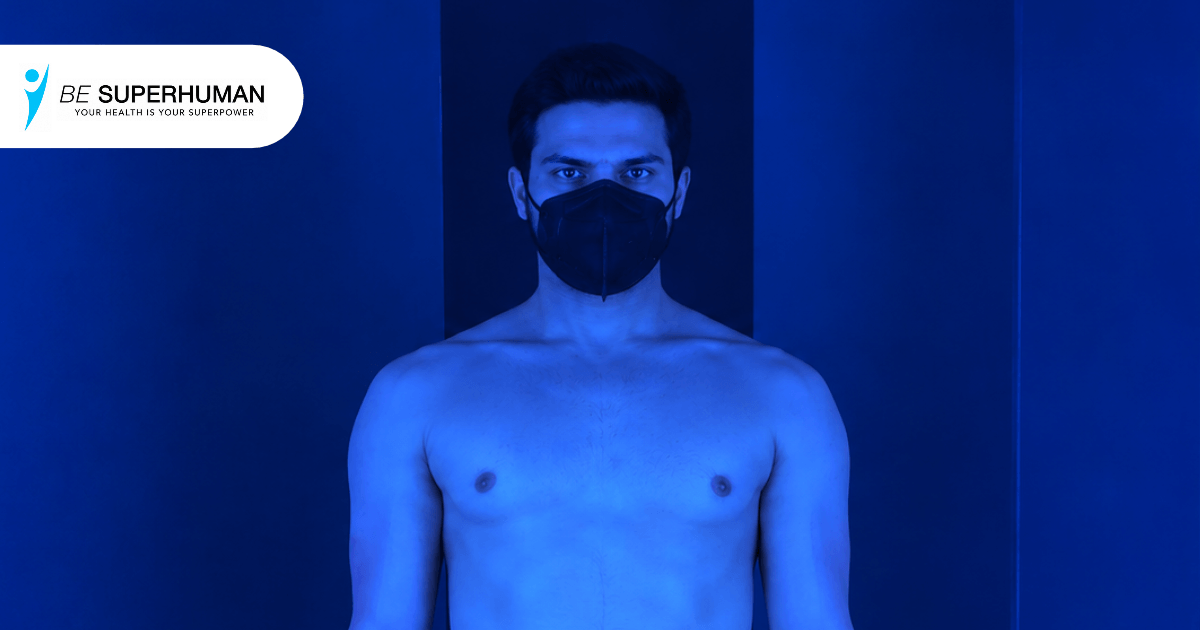
This is also part of why we keep your head outside the cold zone throughout a whole body session, and why gloves, socks and slippers are provided for your extremities specifically, the goal is controlled, protected, full-body exposure to the skin, timed precisely enough to trigger the response without pushing your core temperature regulation further than it needs to go.
What This Means For How Often You Should Come In
Understanding the timing mechanism also explains why consistency tends to matter more than any single session. Each visit gives your circulatory system one clean cycle of constriction and release.
The benefit compounds through repetition of that cycle over weeks, supporting circulation, recovery and that alert feeling on an ongoing basis, rather than through any one session being pushed longer or colder than it needs to be.
It’s a similar logic to interval training in a gym, the value isn’t in how long you can tolerate a single hard effort, it’s in how many well-timed, well-recovered repetitions you can string together over time.
The Bottom Line
Cryotherapy sessions are short because the mechanism driving the benefit is fast, your body’s own rebound response once the cold exposure ends.
The cold itself is simply the trigger, deliberately kept brief enough to protect your core temperature and extremities while still being enough to set that rebound in motion.
A longer session wouldn’t deepen that response, it would just extend the part of the process that matters least and shorten the window for the part that matters most.
If you’re curious about how this mechanism compares with the deeper, longer sessions we run for hyperbaric oxygen therapy, or how cryotherapy pairs with compression or red light afterwards to extend that rebound benefit, that’s exactly the kind of thing worth asking about on your first visit.
Frequently Asked Questions
The benefit comes from your body’s rebound response after the cold exposure ends, when blood flow returns to your skin and extremities. That response works best following a brief, controlled cold exposure, which is why sessions are kept to roughly three and a half to six minutes rather than extended.
Not based on how the mechanism works. Extending the cold exposure mainly prolongs vasoconstriction, where blood is pulled away from your extremities, without improving the rebound effect that follows, which is the part of the process generally associated with the benefit.
Your body responds to the sudden cold by constricting blood vessels near the skin’s surface, pulling blood towards your core to protect your vital organs. Once you step out, those vessels open again and blood rushes back to your extremities.
Sessions are timed deliberately for a reason, and extending them isn’t recommended. The short window is designed to trigger the beneficial rebound response while keeping your body’s temperature regulation within a comfortable, controlled range.
Talk To Therapists
Schedule a call to talk to out health optimisation therapists at BE SUPERHUMAN
Latest Posts
- All Posts
- Active Recovery
- Cellular Health
- Everyday Energy
- Health Optimisation
- London Wellness
- Recovery Tech