The Best Recovery Stack For Marathon Training in London
Training for a marathon while trying to keep up with everything else London demands of you is genuinely tough, and it’s not just about the miles.
Long runs along the Thames Path or through Richmond Park put real structural strain on your body, and that’s before you add in a demanding job, a long commute, and everything else competing for your time and energy.
Once your weekly mileage starts climbing, simply resting between runs stops being enough on its own.
Here’s a practical recovery framework built around what your body’s actually dealing with during a training block, and where it genuinely helps to bring in a bit more support.
What Marathon Training Actually Does to Your Body
It helps to understand what you’re recovering from before building a routine around it.
Repeated impact on hard surfaces causes small amounts of everyday muscle damage, particularly through your calves, hamstrings and quads, which is part of what leaves you sore after a long run.
Your tendons and ligaments take a battering too, and because they don’t have as rich a blood supply as muscle, they tend to repair more slowly, which is part of why niggles like Achilles discomfort or plantar fasciitis creep in during a heavy training block.
And it’s not just physical. Sustained, demanding training puts real strain on your nervous system too, which is often part of why marathon training can leave you feeling flat, unmotivated or sleeping worse, even when your body feels physically fine.
Building a Recovery Stack That Actually Fits
Circulation and Systemic Recovery
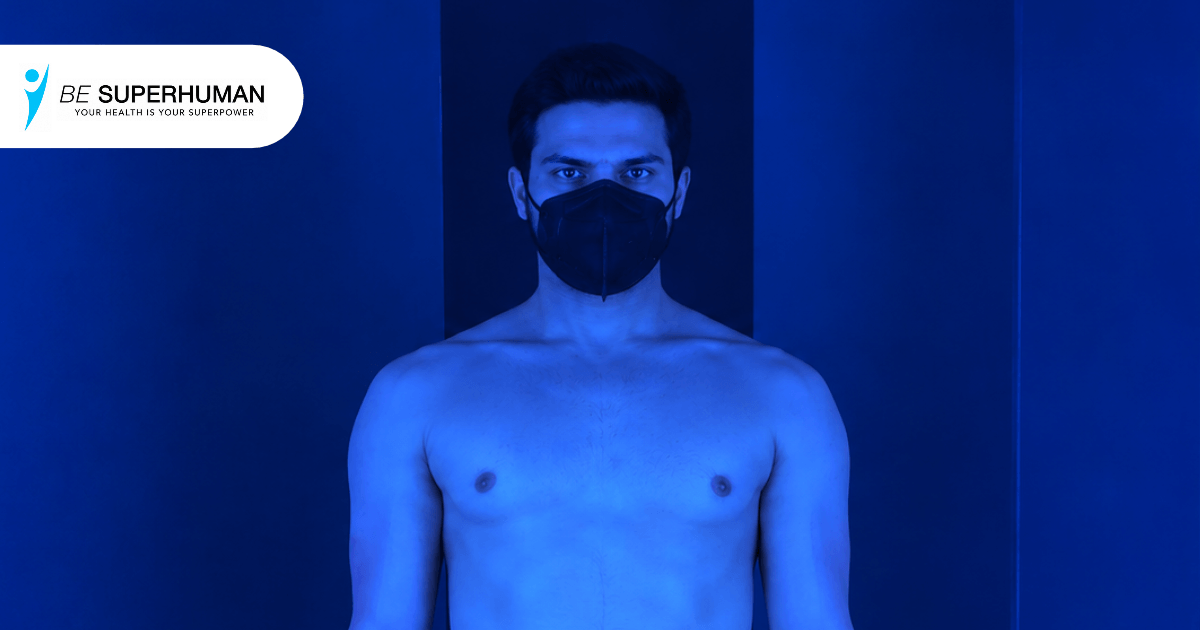
Whole body cryotherapy is a genuinely efficient way to support circulation after a hard session.
A few minutes in the cold chamber triggers your blood vessels to constrict and then rapidly reopen once you step out, sending a rush of fresh, oxygenated blood back through your legs.
Many runners find this particularly useful after a long weekend run, when your legs need more than just sitting still to properly recover.
Targeted Leg Recovery
Long runs on hard pavement tend to leave fluid pooling in your lower legs by the end of the day, that heavy, swollen feeling most runners know well.
Compression therapy uses sequential pressure up your legs to support circulation and encourage that fluid to move, which tends to ease the heaviness and can help take the edge off the soreness that builds up after a tough long run.
Supporting Cellular Recovery
Red light therapy is worth building into a training block too, particularly during periods of high mileage.
It’s designed to support your cells’ natural energy production and repair processes, which is relevant both for muscle recovery and for the general fatigue that comes with sustained training.
Nutrition, Kept Simple
A heavy training block does increase your body’s need for good nutrition, generally speaking, enough protein to support muscle repair, and staying properly hydrated, particularly after long runs where you lose a fair amount through sweat.
If you’re consistently struggling to keep up with hydration through drinking alone, IV hydration therapy is worth considering as a faster way to top up after a particularly demanding session.
Beyond that, it’s worth having a conversation with your GP or a sports nutritionist about anything more specific, like whether a supplement makes sense for you, rather than following a generic recommendation.
Keeping Moving on Rest Days
Recovery doesn’t mean doing nothing. On days between hard sessions, easy, low-intensity movement, a gentle swim or an easy cycle, keeps blood flowing to tired muscles without adding more impact stress on top of what your running is already doing.
A few minutes of slow, deliberate breathing after a hard run also genuinely helps bring your nervous system back down from a training high, which supports better sleep that night.
Fitting It Around Your Training Week
| Training Focus | Typical Session | Recovery That Tends to Help |
|---|---|---|
| Mid-week intensity (intervals or tempo) | Higher effort, shorter duration | Compression therapy, a few minutes of slow breathing afterwards |
| Weekend long run | Your biggest mileage of the week | Cryotherapy and red light therapy, plus proper hydration |
| Rest or easy days | Low intensity or complete rest | Gentle movement like swimming or an easy cycle, good sleep |
Consistency is What Actually Makes the Difference
Marathon training already asks for real discipline in your mileage.
Your recovery deserves the same level of consistency, not just when you remember or when something’s already aching.
Building a few of these habits into your week, rather than reaching for them only after a rough session, is what tends to keep runners training consistently through a full block without breaking down.
If you’re building up toward a marathon and want help putting together a recovery routine that actually fits your training schedule, our team is happy to talk through what makes sense for you.
Frequently Asked Questions
A combination of circulation-focused recovery like cryotherapy, targeted leg support like compression therapy, proper hydration, and easy movement on rest days tends to work well alongside a structured running plan, rather than relying on any single method alone.
Compression therapy is commonly used to ease the heavy, swollen feeling that builds up in the legs after long runs, by supporting circulation and encouraging fluid to move rather than pool in the lower legs.
Not necessarily. Many runners find that gentle, low-intensity movement like easy swimming or cycling on rest days supports recovery better than complete inactivity, by keeping blood flow moving to tired muscles without adding extra impact.
Many runners use whole body cryotherapy after long runs to support circulation and ease muscle soreness, as the rapid temperature change encourages fresh, oxygenated blood back into tired leg muscles once the session ends.
Hydration needs increase with training volume, particularly after long runs where you lose more fluid through sweat. If you’re struggling to keep up through drinking alone, IV hydration therapy can offer a faster way to restore your fluid levels.
Talk To Therapists
Schedule a call to talk to out health optimisation therapists at BE SUPERHUMAN
Latest Posts
- All Posts
- Active Recovery
- Cellular Health
- Everyday Energy
- Health Optimisation
- London Wellness
- Recovery Tech