What Actually Happens to Your Body in a Cryotherapy Chamber (Minute by Minute)
Stepping into a whole body cryotherapy chamber for the first time can feel like a big deal.
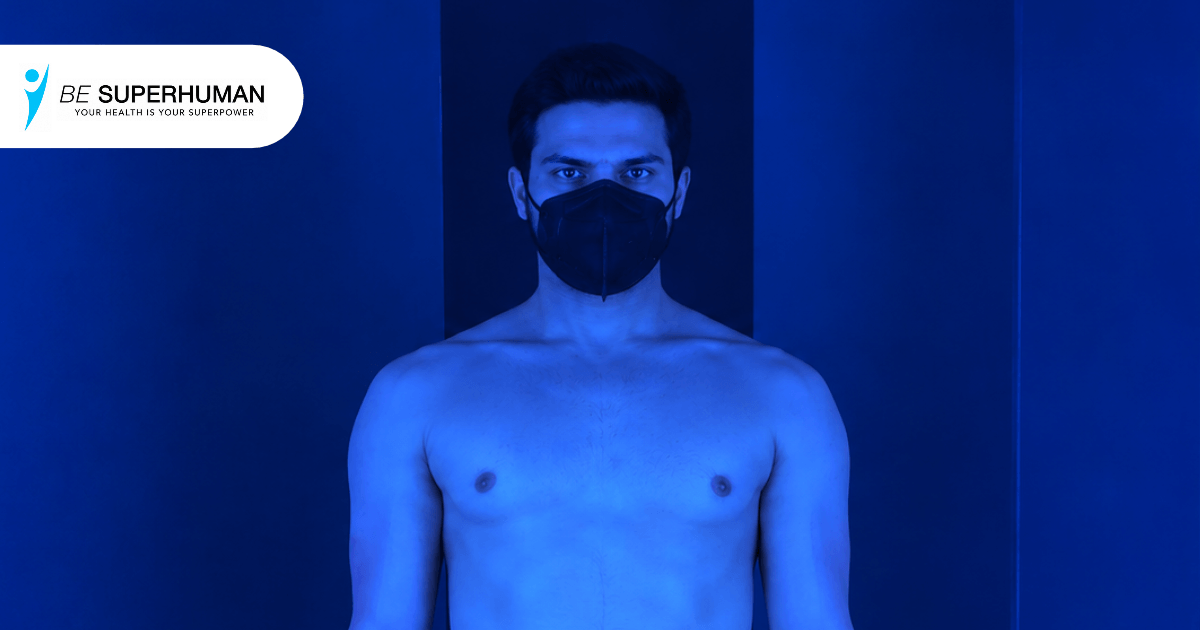
The door seals, a cold mist swirls around you, and the temperature drops to somewhere between -110°C and -140°C in a matter of seconds. To anyone who hasn’t tried it, that sounds fairly extreme.
Here’s the reassuring part: cryotherapy doesn’t freeze your tissue, and it’s not dangerous.
What it does is give your body a very specific, very brief signal that triggers a genuinely useful chain of events.
Here’s roughly what happens as a session unfolds, from the moment you step in to well after you’ve stepped back out.
The First Minute : The Initial Shock
The second you’re in the chamber, your skin temperature starts dropping fast, from its normal resting temperature down toward freezing within seconds.
Your skin is full of cold-sensing nerve endings, and they immediately send an urgent signal up to your brain.
Your brain responds the way it would to any sudden environmental challenge.
It switches on your fight-or-flight system, releasing a rush of adrenaline-related hormones that sharpen your focus and give your heart rate a brief lift.
At the same time, blood vessels near your skin’s surface clamp down, pulling blood away from your arms and legs and toward your core, to protect your vital organs from losing heat.
This is the bit people usually describe as the toughest part, a sharp intake of breath and a real jolt of alertness. It doesn’t last long.
The Middle Stretch : Settling In
By this point, your skin has properly cooled, but your core stays warm and well protected throughout.
With blood concentrated around your major organs, your body uses this window to do a bit of internal housekeeping, circulating that blood through your lungs and liver, where it picks up fresh oxygen and clears out some metabolic waste along the way.
You’ll often notice a natural numbing sensation around this point too.
As the cold reaches the nerves closer to your skin’s surface, pain signals from tired muscles and joints tend to slow down, which is part of why so many people find the middle of a session genuinely easier than the first thirty seconds.
The Final Stretch : Peak Cold
As the session approaches its end, the cold is at its most intense, and your body works a bit harder to hold its core temperature steady.
This is where your metabolism ramps up briefly to help generate heat internally, which is part of the reason people often feel a real burst of energy once they’re out.
Stepping Out : The Real Payoff
Once the timer ends and you step back into a normal-temperature room, the most noticeable effects actually begin.
Your brain registers that the cold is over and immediately reopens the blood vessels that had clamped shut.
That blood, now well oxygenated after circulating around your core, rushes back out to your arms and legs with real force.
This rebound flush is a big part of why cryotherapy tends to leave people feeling so different afterwards.
It helps clear out the waste that builds up in tired muscles and brings fresh, oxygen-rich blood back to areas that need it.
Combined with the natural lift in alertness from earlier in the session, most people step out feeling genuinely lighter, clearer-headed and more energised, an effect that can last for a good few hours afterwards.
The Whole Session at a Glance
| Stage | What’s Happening | What You Feel |
|---|---|---|
| First minute | Cold shock, alertness spikes, blood shunts to your core | A sharp intake of breath, heart rate briefly rises |
| Middle stretch | Blood filters through your core, pain signals slow down | The intensity eases, aches feel noticeably numbed |
| Final stretch | Your body works to hold its core temperature | Real focus, a strong sense of the cold |
| After stepping out | Blood rushes back to your limbs, energy lifts | Warmth, lightness, a clear and alert mind |
Working With It, Not Against It
Whole body cryotherapy isn’t about gritting your teeth through discomfort for the sake of it. It’s a short, controlled, entirely predictable process that gives your body a reason to flush itself with fresh, oxygenated blood and shift out of whatever mental fog you walked in with. Once you understand roughly what’s happening minute to minute, the whole thing tends to feel a lot less intimidating, and a lot more like something worth doing regularly rather than gritting your teeth through once.
If you’ve never tried it and want to know what to expect on your first visit, our team is always happy to talk you through it before you book.
Frequently Asked Questions
It’s mainly used to support circulation and lymphatic drainage, ease the feeling of heavy or swollen legs, and reduce post-workout muscle fatigue, making it useful for both athletes and anyone on their feet or at a desk for long periods.
Many people find it noticeably eases the heavy, swollen feeling that builds up from long commutes, flights, or standing for extended periods, as the sequential pressure supports fluid movement back up the leg.
Sessions typically run between 30 and 60 minutes, depending on your schedule and what you’re hoping to get out of it.
No, it shouldn’t be. It should feel like a firm, rolling massage rather than anything uncomfortable, and the pressure can be adjusted up or down during your session.
Yes, it’s a popular choice among runners and regular gym-goers, as it’s designed to ease post-exercise soreness and general leg fatigue by supporting circulation and mimicking the body’s natural muscle pump.
Yes, pairing a cryotherapy session with compression therapy straight afterwards is a common combination, using the circulation boost from the cold to help push fresh blood through the legs during the compression session.
Talk To Therapists
Schedule a call to talk to out health optimisation therapists at BE SUPERHUMAN
Latest Posts
- All Posts
- Active Recovery
- Cellular Health
- Everyday Energy
- Health Optimisation
- London Wellness
- Recovery Tech