Cryotherapy vs. Contrast Bathing : Which Recovery Method Actually Wins?
Recovery has become almost as talked about as training itself these days, and two cold-based methods keep coming up in that conversation : whole body cryotherapy and contrast bathing, the practice of alternating between hot and cold water.
Both are genuinely popular, both have their advocates, and if you’re deciding where to put your time and effort, it’s worth understanding how they actually differ.
What Contrast Bathing Actually Involves
Contrast bathing means alternating between hot and cold water, typically a few minutes in each, repeated several times in a single session. It’s been used in sports recovery for decades, often as simply as moving between a hot shower and a cold one, or a hot tub and a cold plunge.
The idea behind it is that alternating temperatures creates a repeated pumping action in your blood vessels, widening as they warm and narrowing as they cool, which is thought to support circulation and help clear the metabolic waste that builds up in muscles after hard training.
What Whole Body Cryotherapy Actually Involves
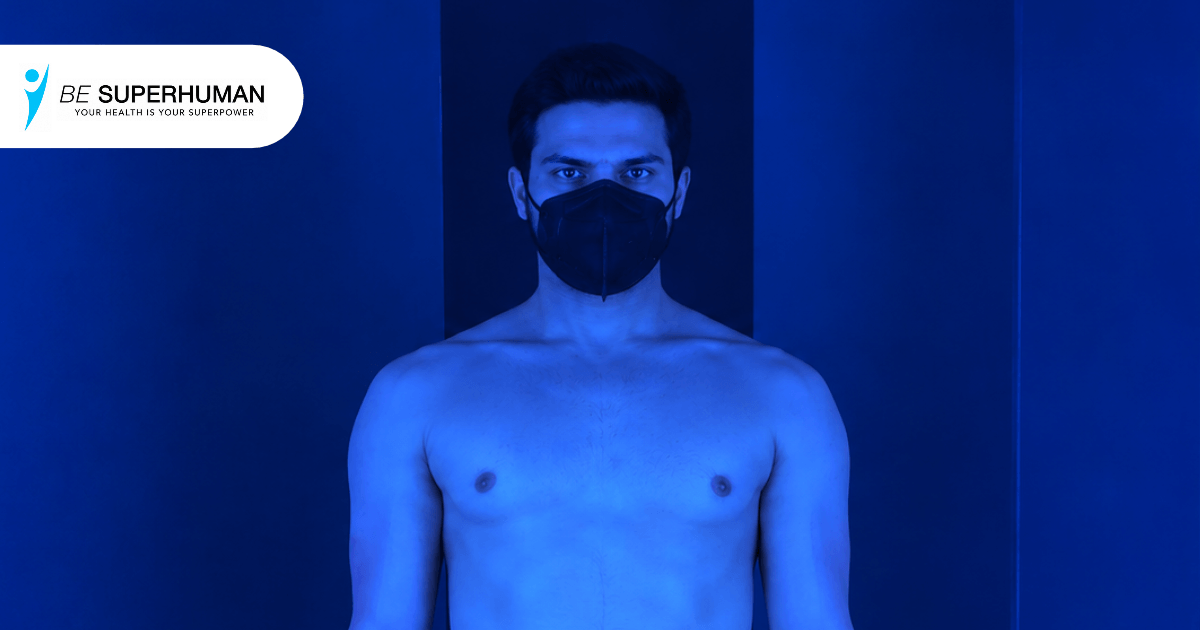
Whole body Cryotherapy uses dry, extremely cold air rather than water, typically for a brief session of just a few minutes, in a purpose-built chamber.
Rather than alternating temperatures, it’s a single, intense burst of cold that triggers your body to pull blood toward its core, followed by a rush of fresh, oxygenated blood back to your extremities once you step out and warm back up.
Comparing the Two
Contrast bathing is accessible to almost anyone with a hot and cold water source, which is a genuine advantage, and the gradual back-and-forth tends to feel more manageable for people who find intense cold difficult to tolerate. It does take longer though, typically fifteen to twenty minutes for a full session, and it requires actually getting in and out of water repeatedly.
Whole body Cryotherapy is considerably faster, a full session takes just a few minutes, and because it uses dry air rather than water, many people find the intensity more tolerable than it sounds on paper.
It’s also always professionally supervised, which takes the guesswork out of timing and safety. The trade-off is that it requires a proper facility rather than something you can easily do at home.
In terms of the actual physiological effect, both methods work on a broadly similar principle, using rapid changes in blood vessel behaviour to support circulation and help the body clear the waste products that build up after intense exercise.
Neither has been clearly shown to outperform the other overall, so the more useful question tends to be which one actually fits your time, tolerance and access.
Which One Should You Actually Choose?
If you’re pushed for time and want a fast, supervised, low-effort session, Cryotherapy tends to be the more convenient option, in and out in a matter of minutes without getting wet.
If you prefer a more gradual approach, have the time for a longer session, and want something you could eventually replicate at home, contrast bathing is a genuinely reasonable alternative.
For a lot of our clients, it isn’t really an either-or decision.
Some use contrast bathing at home between visits and come in for Cryotherapy, when they want a faster, more intense session, particularly around a hard training block or a busy week where time is tight.
If you’d like to try Cryotherapy properly, in a supervised, controlled setting, our team at BE SUPERHUMAN is happy to talk you through what to expect on your first visit.
Frequently Asked Questions
Both work on a broadly similar principle of using rapid temperature changes to support circulation, and neither has been clearly shown to outperform the other. The better choice often comes down to time, convenience and personal tolerance for cold.
Yes, contrast bathing can be done with a hot and cold shower or bath, alternating for a few minutes at a time, making it more accessible than cryotherapy for regular at-home use.
A whole body cryotherapy session typically lasts just a few minutes, while a full contrast bathing session usually takes fifteen to twenty minutes due to the repeated alternating cycles.
Cryotherapy sessions are always professionally supervised, which reduces the risk of misjudging timing or temperature. Contrast bathing at home requires more personal judgement around timing and water temperature to stay safe.
Yes, many people use both, contrast bathing at home as a regular habit and cryotherapy for a faster, more intense session during particularly demanding training periods.
Contrast bathing tends to feel more gradual and manageable for people new to cold exposure, while cryotherapy, despite sounding more extreme, is often found to be surprisingly tolerable due to the dry air and short session length.
Talk To Therapists
Schedule a call to talk to out health optimisation therapists at BE SUPERHUMAN
Latest Posts
- All Posts
- Active Recovery
- Cellular Health
- Everyday Energy
- Health Optimisation
- London Wellness
- Recovery Tech