Cryotherapy vs. Sauna : Which One Should You Do First
Contrast therapy, deliberately moving between extreme heat and extreme cold, has gone from something you’d only encounter at an elite training facility to a genuinely mainstream part of the London wellness scene.
Plenty of wellness spaces around the city now offer both infrared saunas and cryotherapy chambers, and one of the more common questions people ask once they’re using both is fairly simple: which one should actually come first?
The honest answer is that it depends what you’re actually trying to get out of the session.
How you sequence heat and cold changes how your cardiovascular system, nervous system and muscles respond, so the “right” order really comes down to your goal, your schedule, and how you want to feel walking back out the door.
What’s Actually Happening in Your Body
To understand why sequencing matters, it helps to know roughly what’s going on physiologically. Your body works hard to hold its core temperature at around 37°C, and deliberately introducing extreme heat or cold triggers fast survival responses run by your autonomic nervous system.
Heat exposure, whether from a traditional sauna running at 70 to 100°C or an infrared sauna that heats the body more directly at a lower ambient temperature, pushes your body into a mild state of hyperthermia.
Your heart rate and stroke volume increase, blood vessels near the skin widen significantly to help dissipate heat through sweat, and prolonged heat tends to shift your nervous system toward a more relaxed, parasympathetic state, easing tension in muscles and connective tissue.
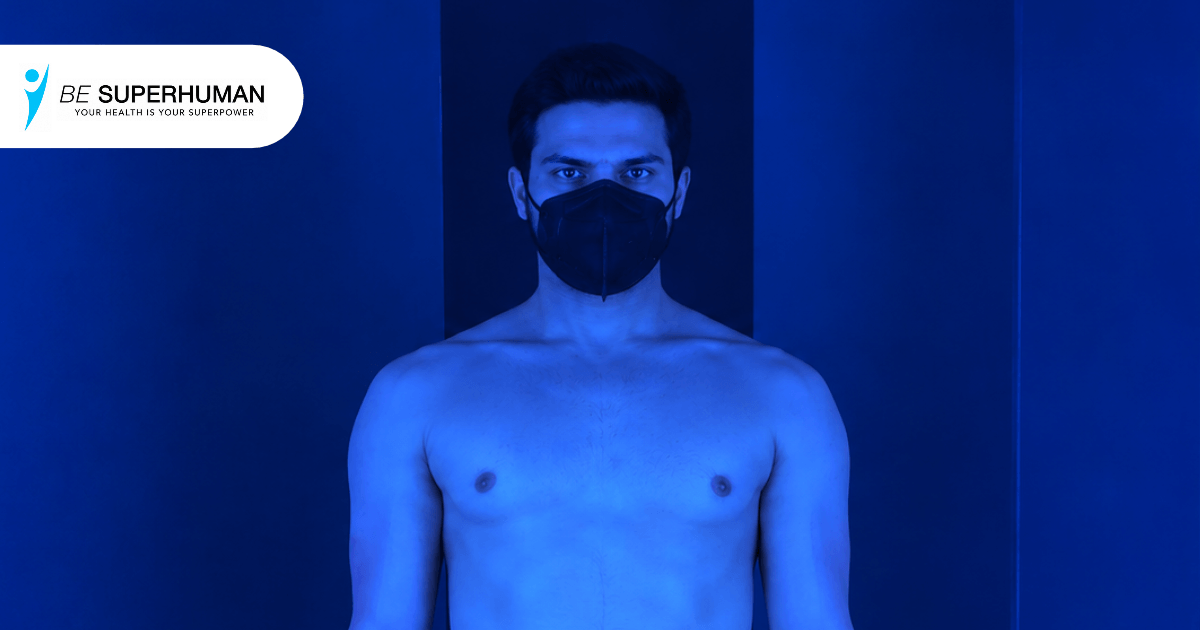
Cold exposure does more or less the opposite. Whole body cryotherapy exposes your skin to sub-zero air, typically in the region of -110°C to -140°C, for a brief window, usually a few minutes.
That sudden cold triggers vasoconstriction, pulling blood away from your extremities and toward your core to protect your vital organs, while giving you a genuine surge in alertness and mental sharpness as your sympathetic nervous system activates.
Heat First, Then Cold: The Classic Approach
For general recovery and everyday wellness, the traditional order is heat followed by cold, echoing the old Nordic pattern of moving from a hot sauna straight into icy water. There’s a genuine physiological logic to it.
Spending time in the heat first maximises peripheral blood flow through vasodilation. Moving straight into the cold afterwards causes a sudden, pronounced vasoconstriction, forcing blood back to your core.
Once you step out and warm back up, your vessels dilate again, sending freshly oxygenated blood rushing back to your muscles and extremities.
That rapid back-and-forth is thought to support lymphatic flow and help clear metabolic waste more effectively than either extreme alone.
Starting with heat also means your muscle tissue and core temperature are already elevated by the time you hit the cold, which tends to make the cold shock response feel sharper and more immediate without needing as long in sub-zero conditions.
And because heat alone can sometimes leave you feeling a little sleepy or sluggish from the drop in blood pressure that comes with vasodilation, following it with cold tends to leave you feeling considerably more alert and energised by the end.
Cold First, Then Heat: The Performance Approach
Reversing the order serves a different, more specific purpose, particularly around athletic preparation.
If you’re using contrast therapy before a workout, starting cold tends to work better. The brief shock increases central nervous system drive and sharpens focus without draining your physical energy the way a long sauna session might.
Following that with a milder period of heat afterwards helps warm and loosen your muscles and joints, so you’re not heading into a workout feeling stiff from the cold.
Some people also find intense cold genuinely difficult to tolerate, and ending on heat rather than cold allows the body to return to a comfortable baseline more gently, easing away any lingering shivering or muscular bracing from the cold exposure.
Comparing the Two Sequences
| Heat First, Then Cold | Cold First, Then Heat | |
|---|---|---|
| Main benefit | Supports circulation and lymphatic flow | Supports joint mobility and gentle core rewarming |
| How you’ll feel afterwards | Alert, energised, mentally sharp | Calm, relaxed, physically eased |
| Best time of day | Morning or afternoon, to use the energy lift | Evening, or before activity |
| Pairs well with | Post-workout recovery | Pre-workout activation |
A Few Safety Basics Worth Knowing
If you are combining heat and cold exposure in any setting, a few practical points make a genuine difference. Always dry your skin thoroughly before any cold exposure, since moisture on the skin in sub-zero conditions increases the risk of superficial cold injury.
Stay properly hydrated, including electrolytes rather than just plain water, since heat exposure in particular causes significant fluid and mineral loss through sweat.
Give your body a brief period at a normal temperature between extremes rather than moving straight from one to the other, so your cardiovascular system has a moment to stabilise.
And if you feel dizzy, lightheaded or unusually fatigued at any point, stop and rest in a comfortable, temperature-controlled space rather than pushing through it.
Where This Leaves You
There’s no single correct order that suits everyone, only the order that suits what you’re trying to achieve on a given day.
Heat followed by cold tends to work well for general recovery, an afternoon energy lift, and easing muscle tension after training.
Cold followed by heat tends to suit pre-activity preparation or winding down before bed.
If cryotherapy is the piece of this you’re most interested in exploring properly, our team at BE SUPERHUMAN can talk you through how it fits into your existing recovery routine, whatever else that routine happens to include.
Frequently Asked Questions
For general recovery and an energy lift, heat followed by cold is the traditional approach, supporting circulation through alternating vasodilation and vasoconstriction. For pre-workout preparation, cold followed by a brief period of heat tends to work better.
Whole body cryotherapy sessions are typically brief, often just a few minutes, since the extreme cold means prolonged exposure isn’t necessary to achieve the intended effect.
For most healthy adults, yes, provided you stay properly hydrated, dry your skin before cold exposure, and allow your body brief transition time between extremes. Anyone with cardiovascular conditions should check with a doctor before trying contrast therapy.
Yes, the rapid alternation between vasoconstriction during cold exposure and vasodilation as you warm back up is thought to support circulation and help the body clear metabolic waste more effectively than either extreme alone.
Cryotherapy before a workout can help sharpen focus and increase alertness without draining physical energy, while doing it after a workout is more commonly used to ease muscle soreness and speed up recovery.
Talk To Therapists
Schedule a call to talk to out health optimisation therapists at BE SUPERHUMAN
Latest Posts
- All Posts
- Active Recovery
- Cellular Health
- Everyday Energy
- Health Optimisation
- London Wellness
- Recovery Tech