9 Biohacks That Work Better With Red Light Therapy
Ever feel like there simply aren’t enough hours in the day? It’s not just work eating into your time.
It’s cooking, eating properly, exercising, sleeping, and somewhere in there trying to fit in all the recovery habits you know are actually good for you.
Add every biohack you’ve read about onto that list and you end up with something like thirty-five hours of good intentions crammed into a twenty-four hour day, sleep not included.
You can’t manufacture more hours. What you can do is stack the habits that genuinely complement each other, so you’re getting more out of the time you do have.
Red light therapy happens to pair particularly well with a number of everyday habits, some of them working through similar biological pathways, others simply fitting neatly into the same window of time.
Here’s a proper look at nine of them.
Cold Exposure and Cryotherapy
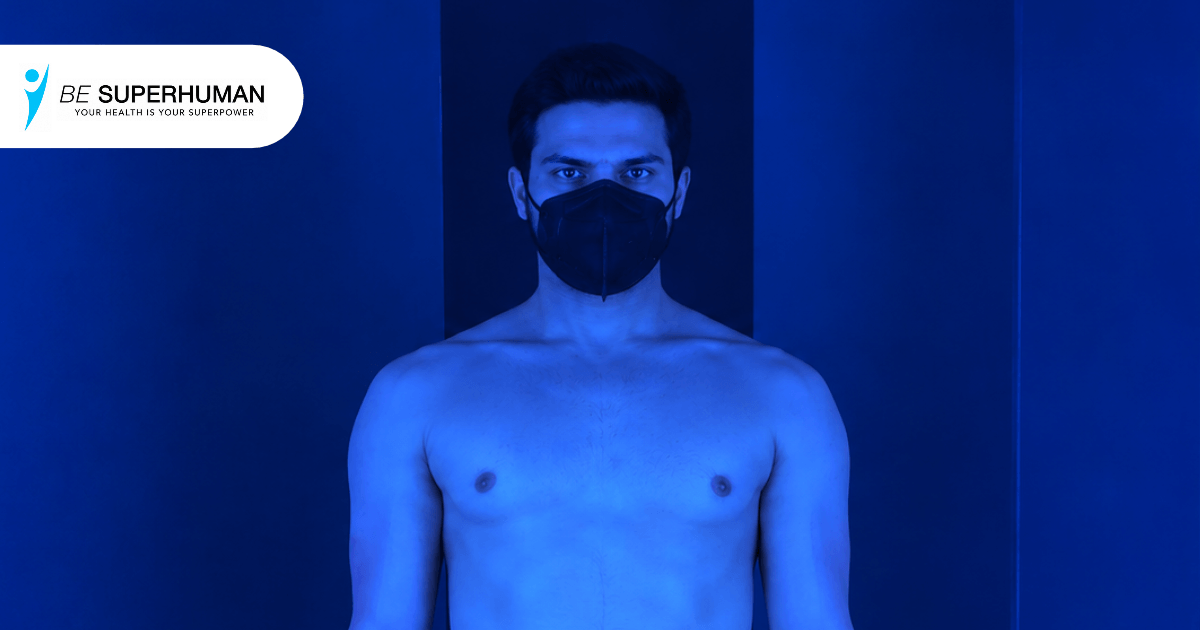
Whole body cryotherapy and red light therapy tend to complement each other well, largely because they influence some of the same underlying processes from opposite directions.
Cold exposure is associated with a reduction in pro-inflammatory markers and an increase in anti-inflammatory ones, and red light therapy is thought to have a broadly similar effect on that same balance, so pairing the two in a single visit tends to compound the benefit rather than simply adding two separate things together.
Practically, doing both in sequence during the same clinic visit, cold first, then red light, tends to work better than trying to combine them simultaneously, since the two treatments generally need different conditions to be effective.
Grounding
Grounding, spending time with bare skin in direct contact with natural surfaces, grass, soil, even just walking barefoot, is associated with stress relief, better regulated heart rate, and general immune support.
Red light therapy is thought to support several of the same areas through a different mechanism. While you obviously can’t combine an outdoor grounding walk with an in-clinic red light session at the same time, using the two as complementary parts of your week, a grounding walk one day, a red light session another, tends to reinforce the same broader goal of calming an overactive nervous system.
Nootropics
Nootropics cover any supplement or substance used to support cognitive function, mood, energy or memory in otherwise healthy people, rather than to treat any condition, everything from Vitamin C and omega-3 through to plain caffeine falls under that umbrella.
Both nootropics and red light therapy are thought to support mitochondrial efficiency, just through different mechanisms, which is part of why some people find the combination noticeably more effective than either alone.
Meditation
Meditation is well documented as a genuinely effective way to ease stress and support overall wellbeing. Red light therapy is believed to support cellular energy production, and your body naturally redistributes that energy toward whatever it needs most in the moment.
Combining a red light session with a few minutes of mindful, quiet stillness tends to make both practices feel more effective together than either does alone, largely because you’re giving your body energy and calm at the same time rather than sequentially.
Breathing Exercises
How you breathe sends your body genuine, immediate signals about your state of mind. Slow, deep breathing calms the nervous system, while rapid, shallow breathing tends to do the opposite, nudging your body toward a stress response rather than away from it.
Pairing breathing exercises with a red light session, since both can genuinely be done at the same time, tends to support a faster shift toward a calmer, more regulated state than either practice manages alone.
Intermittent Fasting
The energy and metabolic benefits of intermittent fasting are fairly well established at this point, and fasting is understood to trigger genuine cellular repair processes.
Red light therapy is thought to support the mitochondrial energy needed for those repair processes to run efficiently, so timing a session during a fasting window is a combination a number of our clients find genuinely useful.
Tracking Your Own Markers
Biohacking, at its core, is about finding what actually works for you specifically, since what helps one person can do very little for another. A single blood test gives you a snapshot, but tracking things consistently over time, sleep quality, resting heart rate, general energy, shows you trends, which tends to be far more useful information than any single reading.
If you’re adding red light therapy or any other habit into your routine, keeping half an eye on how your own markers shift over a few weeks is worth the small effort it takes.
Acupuncture
Acupuncture is arguably one of the oldest biohacks still in regular use, and like red light therapy, it’s built around supporting the body’s own natural processes rather than working against them, just through a very different mechanism, stimulating specific points on the body rather than delivering light energy to them.
Some people who combine the two report general benefits around inflammation, skin appearance and everyday stress relief, though as with any complementary pairing, individual response varies considerably.
Simple Nervous System Practices
Various vagus nerve-focused practices, from gentle bone conduction devices to plain old deep, slow breathing in a quiet space, are used specifically to calm the nervous system and support recovery. Since red light therapy is believed to work through a broadly similar restorative pathway, pairing it with a few minutes of deliberate nervous system down-regulation, at the end of a session or built into it, tends to reinforce the same underlying goal from two directions at once.
Why Stacking Works
Red light therapy holds up perfectly well as a standalone treatment, but it’s also a genuinely effective booster for a lot of the everyday habits people already have in place.
Even the food you eat and the supplements you take can only do so much if the rest of your system, digestion and gut health included, isn’t functioning well, and cellular support from red light therapy is one of the more consistently discussed factors in that picture.
If you’re already building a few of these habits into your week, adding a regular red light therapy session at BE SUPERHUMAN is a fairly low-effort way to get more out of what you’re already doing, rather than one more separate thing competing for your time.
Frequently Asked Questions
Yes, this is a popular combination. Many clients do a cryotherapy session followed immediately by red light therapy, using the cold exposure for an initial reset and the light therapy afterwards to support recovery and cellular energy.
Many people find the two complement each other well, since fasting is understood to trigger cellular repair processes, and red light therapy is thought to support the cellular energy needed for that repair to happen efficiently.
This varies by individual and routine, though many people find pairing it with an existing habit, such as a fasting window, a meditation practice, or straight after exercise, makes it easier to stay consistent.
Yes, breathing exercises and red light therapy can be done simultaneously, and many clients find combining slow, deliberate breathing with a session supports a quicker sense of calm than either practice alone.
It’s not essential, but tracking things like sleep quality, energy levels and resting heart rate over time can give you a clearer picture of whether a new habit like red light therapy is making a genuine difference for you specifically.
Generally yes. Red light therapy is commonly combined with treatments like cryotherapy and compression therapy as part of a broader recovery routine, though it’s worth discussing your specific combination with your therapist to ensure it suits your needs.
Talk To Therapists
Schedule a call to talk to out health optimisation therapists at BE SUPERHUMAN
Latest Posts
- All Posts
- Active Recovery
- Cellular Health
- Everyday Energy
- Health Optimisation
- London Wellness
- Recovery Tech