October 4, 2026
One of the more interesting shifts I’ve noticed over the last few years is what people are actually asking for when they walk in. It used to be a massage to mask whatever the week had done to them.
Now it’s something closer to “I want to actually address this, not just cover it up.” Cryotherapy tends to be where that conversation starts.
If you’ve been looking into cryotherapy in London, you’ve almost certainly seen the pictures of athletes climbing into frosty chambers, breath visible, looking suitably heroic about it. That image isn’t wrong, but it’s incomplete.
Cold therapy has moved well past elite sport into something far more ordinary and, frankly, more useful for most of us – a genuinely accessible tool for busy professionals who just want their energy and recovery to keep up with their week.
Here’s how it actually works, what we offer, and what a session is really like once you strip away the theatre.
It’s worth understanding the mechanism before getting into the specific treatments, because it’s not complicated and it makes the whole thing feel a lot less mysterious.
When your skin hits sudden, controlled cold, your body does what it’s evolved to do – it protects your core. Blood vessels near the surface constrict, pulling blood away from your extremities and toward your vital organs to guard your internal temperature. That’s the uncomfortable bit, briefly.
The interesting part happens once you step out. As your body warms back up, those vessels open again, and blood rushes back through your system – fresh, well-oxygenated, and carrying nutrients out to your muscles and skin while helping to clear away metabolic waste in the process. That rush is what people are usually describing when they say cryotherapy leaves them feeling switched on.
I always tell clients we’re not using cold to fix anything directly. We’re using it to prompt your body’s own circulatory and recovery systems into action, giving them exactly the conditions they need to do their job a bit more efficiently.
Because everyone’s walking in with a different goal and a different amount of time, we run three variations. Here’s the honest breakdown of each.
Whole-body Cryotherapy is what most people picture when they think of cryotherapy in London, and for good reason – it’s the full-body version. You step into our cold chamber for somewhere between three and a half and six minutes, which sounds brief because it is. It’s a dry cold too, quite different from an ice bath, and considerably more tolerable than you’d expect.
The aim here is a proper full-body reset – waking up the nervous system, supporting your body’s natural response to everyday joint discomfort, and giving you a noticeable lift in energy that tends to carry through the rest of the day. You’re given gloves, socks and slippers throughout, so your extremities stay properly protected while the rest of your skin does the work.
Sometimes you don’t need the whole system rebooted, you just need one particular joint or muscle to calm down – a knee that’s been complaining since your last long run, or a neck that’s stiffened up after too many hours at a laptop. For this, a practitioner directs a controlled stream of cold air straight at the area in question for around five to ten minutes.
It’s like targeted cryotherapy version of the same principle, aimed at easing everyday physical discomfort and reducing localised swelling, without needing the full chamber experience.
Cold isn’t only useful for muscles. The facial version applies a gentle, continuous cooling breeze across your face and neck for ten to fifteen minutes, working on the same circulation principle but aimed at your complexion rather than recovery.
It’s believed to temporarily tighten the skin and ease puffiness, leaving you looking a bit brighter and less like you’ve had four hours of sleep. Genuinely one of the easiest treatments to slot into a lunch hour, or right before something you want to look your best for.
One of the actual advantages of coming to a proper recovery clinic rather than doing any of this piecemeal is that you can layer treatments in a single visit, and the combinations tend to work rather well together.
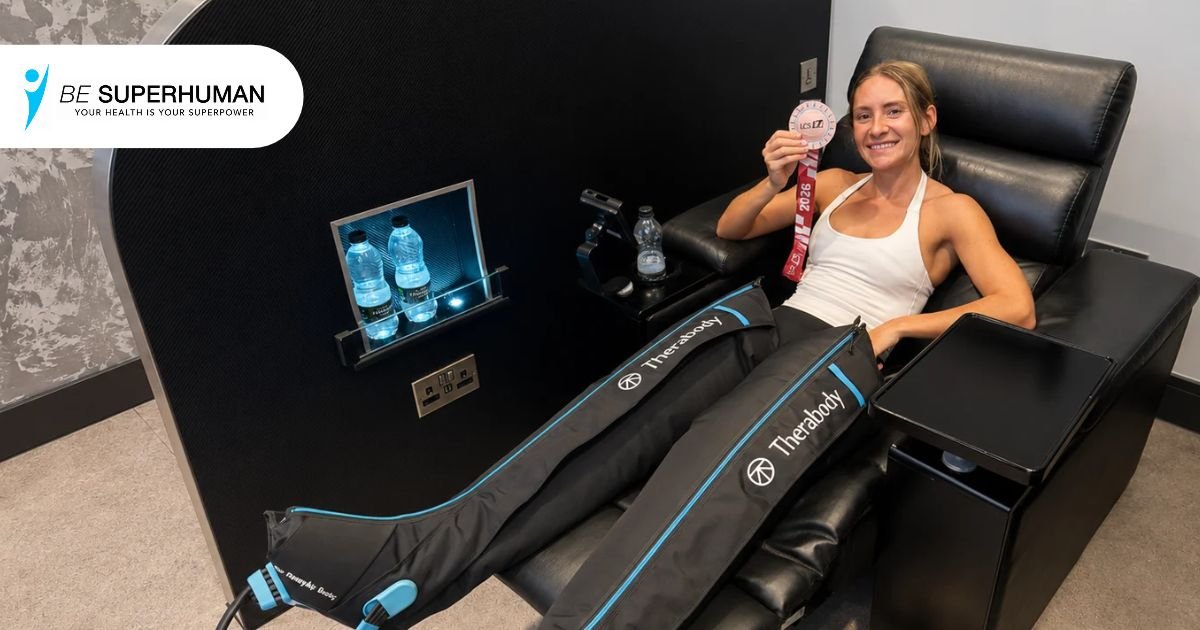
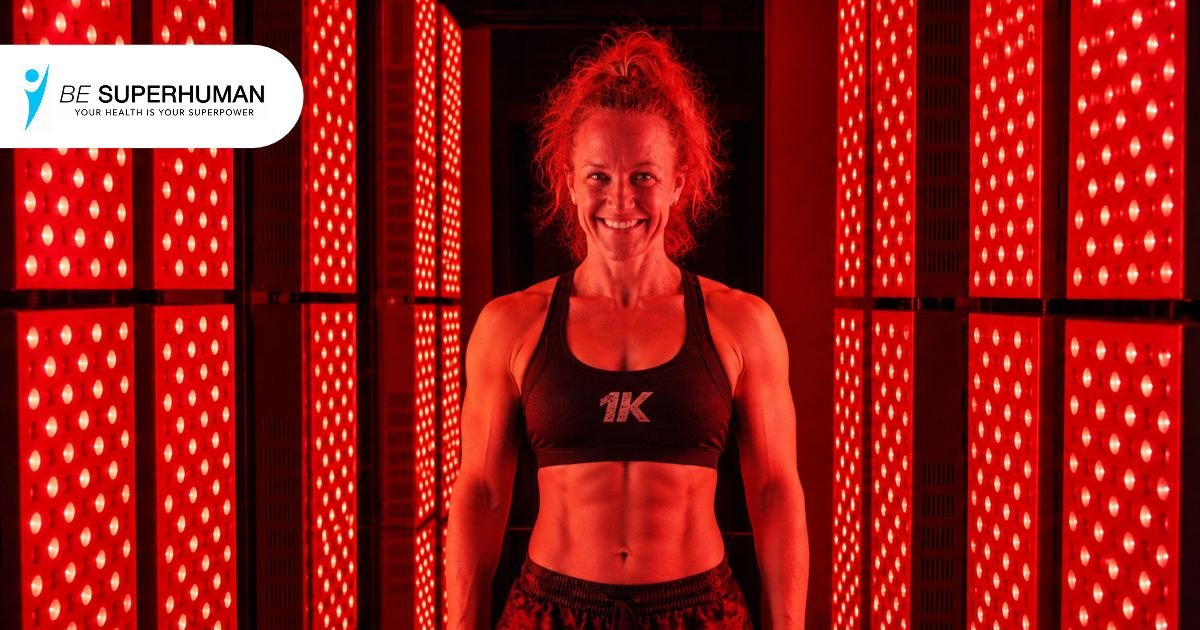
For anyone training hard, I usually suggest whole body cryotherapy followed straight into compression therapy for the legs – the cold gets fresh, oxygenated blood moving, and the compression boots help push that circulation through and clear out the fatigue you’ve just stirred up. For a gentler pairing, following the cold chamber with a session under our red light panels is a nice contrast – the chill first, then a warm, calming reset that supports cellular energy and leaves your skin looking better for it too.
A few simple things make a real difference to how the session goes.
Arrive with dry skin, free of heavy moisturiser, makeup or sweat, since moisture in the cold chamber makes the experience considerably less pleasant. Dress minimally for whole body sessions – shorts and a sports top or similar is ideal, since we provide all the protective gear you actually need. And drink some water beforehand. Circulation does its best work when you’re properly hydrated, so it’s worth doing before as well as after.
Cold therapy isn’t going to fix a bad week on its own, and I’d rather be upfront about that than oversell it. What it does offer, reliably, is a quick, genuinely effective way to support recovery, ease everyday physical tension, and give your energy a proper lift without eating into much of your day. If you’re not sure which version suits what you’re actually trying to solve, that’s exactly what we’re there for on your first visit – come in, tell us what’s going on, and we’ll point you at the right one.
Yes, for most healthy adults. Sessions are brief, supervised by a trained practitioner, and protective gear is provided throughout. It’s worth mentioning any underlying health conditions before your first visit so the therapist can advise accordingly.
The chambers use a dry, controlled cold that most people find crisp and invigorating rather than painful, and it’s noticeably more tolerable than an ice bath. Sessions typically last between 3.5 and 6 minutes.
Whole body cryotherapy treats your entire body in a cold chamber for a systemic reset, while local cryotherapy targets a specific area, like a joint or muscle, with a directed stream of cold air for more focused relief.
Most people start with one session a week and adjust from there depending on their goals, with those training more intensively or targeting a specific issue often visiting two to three times a week.
Yes, this is one of the more popular approaches. Pairing whole body cryotherapy with compression therapy or red light therapy afterwards is a common combination for a fuller recovery session.
Schedule a call to talk to out health optimisation therapists at BE SUPERHUMAN
The choices you make today shape how you feel tomorrow. Experience personalised wellness therapies designed to support your body and mind.