

November 3, 2026
Most recovery advice focuses on the physical side, sleep, nutrition, movement.
What gets left out far more often is stress, and specifically the kind of low-grade, constant stress that comes from work, deadlines, commuting, and everyday life rather than any single major event.
It does not announce itself the way a hard training session does, but it has a direct, measurable effect on how well the body recovers.
The nervous system runs on two broad settings: a sympathetic state, geared towards alertness and action, and a parasympathetic state, geared towards digestion, repair, and recovery.
Training itself pushes the body into the sympathetic state temporarily, which is normal and expected. The issue is what happens afterwards.
When everyday stress, work pressure, financial worry, poor sleep, constant notifications, keeps the nervous system leaning towards that alert state well beyond the gym, the body spends less time in the parasympathetic state where most physical repair actually happens.
Training recovery and mental recovery are not two separate systems running in parallel, they draw on the same resources.
A few patterns tend to show up when stress is quietly undermining recovery, even when training itself has not changed :
None of these on their own are diagnostic of anything specific. Together, over a period of weeks, they are a reasonable prompt to look at stress levels rather than just training load.
It is easy to treat stress as a separate, “mental health” issue and physical recovery as its own category. In practice, they overlap heavily:
Hormonal overlap. The hormone most associated with stress is also involved in regulating inflammation, blood sugar, and tissue repair. Chronically elevated stress keeps this system more active than it needs to be, which can interfere with the body’s ability to settle into deep repair mode.
Sleep quality, not just quantity. Stress is one of the most common reasons for lighter, more fragmented sleep, even among people who are technically in bed for enough hours. Since the deepest stages of sleep are when a large share of physical repair happens, disrupted sleep architecture can undercut recovery even on a full eight hours.
Appetite and digestion. Chronic stress commonly affects appetite and digestion, which in turn affects how consistently nutrients needed for repair are actually being taken in.
This is general wellbeing information rather than a clinical account of any individual’s situation, and anyone dealing with persistent, significant stress, anxiety, or sleep disruption should speak to a GP, since these can also be signs of conditions that benefit from proper medical support rather than lifestyle adjustment alone.
Down-regulation after training, not just rest. Simply stopping exercise is not the same as shifting the nervous system into a recovery state. Deliberate down-regulation, slow breathing, a short walk without a phone, time away from screens, gives the body a clearer signal to shift gears.
Red light therapy is used by many clients as part of an evening wind-down routine specifically because of its calm, low-stimulation setting, away from screens and bright light, alongside any physiological effects of the light itself. The ritual of the session matters as much as the treatment.
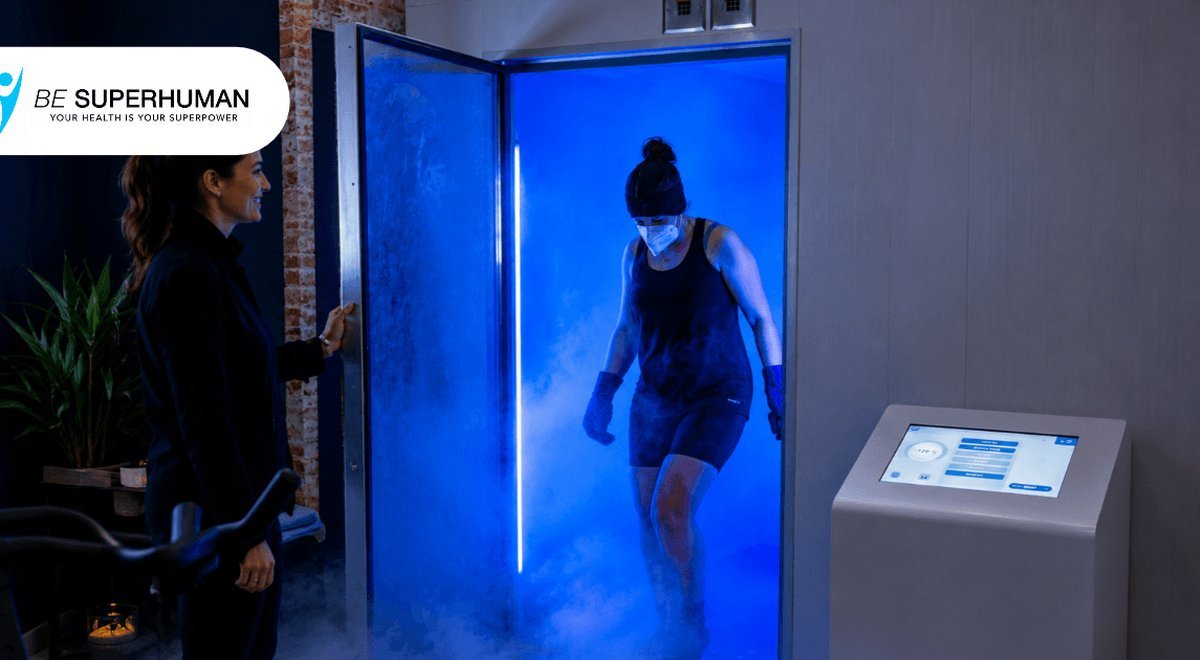
Cryotherapy sessions are typically booked for the morning for a reason, the alertness effect many clients report is well suited to starting the day, not winding down from one. Timing a recovery service to the nervous system’s natural rhythm, rather than treating all sessions as interchangeable, makes a real difference to how useful they feel.
Consistency over intensity. A stretch of several lighter, more manageable weeks is often more productive for someone under heavy life stress than pushing through a demanding programme regardless of how depleted the nervous system already is. Adjusting training expectations during a genuinely stressful period is not a setback, it is appropriate pacing.
Basic sleep hygiene remains one of the highest-leverage tools available: a consistent sleep and wake time, reduced screen exposure in the hour before bed, and a cool, dark room all support the kind of deep sleep where most repair takes place.
Physical recovery does not happen in a vacuum separate from the rest of life.
A demanding week at work can undo some of the benefit of an otherwise well-planned training and recovery routine, not because the routine was wrong, but because the body was never given the chance to fully downshift.
Recognising stress as a genuine input to recovery, rather than a separate issue to deal with later, tends to produce better results than treating training and rest as the only two variables that matter.
Yes. Chronic stress keeps the nervous system in a more alert state and is linked to hormonal and sleep changes that can interfere with the body’s repair processes, even when training itself has not changed.
It can contribute to it. Stress affects sleep quality and the body’s general capacity for repair, both of which play a role in how quickly normal post-exercise soreness resolves.
Many people benefit from adjusting training intensity or volume during particularly stressful periods, since the body has fewer resources available for both mental and physical recovery at once. This is a reasonable, temporary adjustment rather than a setback.
Deliberate down-regulation after exercise, slow breathing, time away from screens, consistent sleep timing, and a calm wind-down routine all support the shift into the body’s natural repair state.
If stress, anxiety, or sleep disruption is persistent, significant, or affecting daily life, it is worth speaking to a GP, since these can sometimes be signs of conditions that benefit from proper medical support.
Schedule a call to talk to out health optimisation therapists at BE SUPERHUMAN
The choices you make today shape how you feel tomorrow. Experience personalised wellness therapies designed to support your body and mind.