
November 3, 2026
It is one of the most common questions asked at the front desk: should it be ice or heat? The honest answer is that both have a place, and the better one depends on what the body is doing at the time.
People often pick based on habit or whatever was in the freezer, which is understandable, but a little context makes the choice much easier.
Cold exposure narrows blood vessels near the skin, a response called vasoconstriction, and reduces the sensation of pain by dulling nerve signalling in the area.
When the body warms back up, blood flow returns, which is part of why many people feel a noticeable lift afterwards.
That combination is why cold is a popular tool in a few situations:
Our article on why cryotherapy sessions are kept so short explains the mechanism in more detail, including why the length of exposure matters.
Heat does close to the opposite job. It widens blood vessels, increases blood flow to the area and encourages tight muscles to relax.
The result is a loosening, soothing feeling, which is why a warm bath or a hot water bottle feels so welcome after a long day.
Heat tends to be most useful when :
A widely used shortcut, with the caveat that individual cases vary :
It is a guide rather than a rule. If one feels better and nothing worsens, it is usually fine to carry on with it.
This is a fair question and the evidence is mixed. Some research suggests that using cold immediately after strength training, repeatedly and over long periods, may blunt some of the signals that drive muscle growth. Other research finds little difference. The sensible, practical reading is:
Timing matters more than most people realise, and that is something the team is happy to talk through at a first visit.
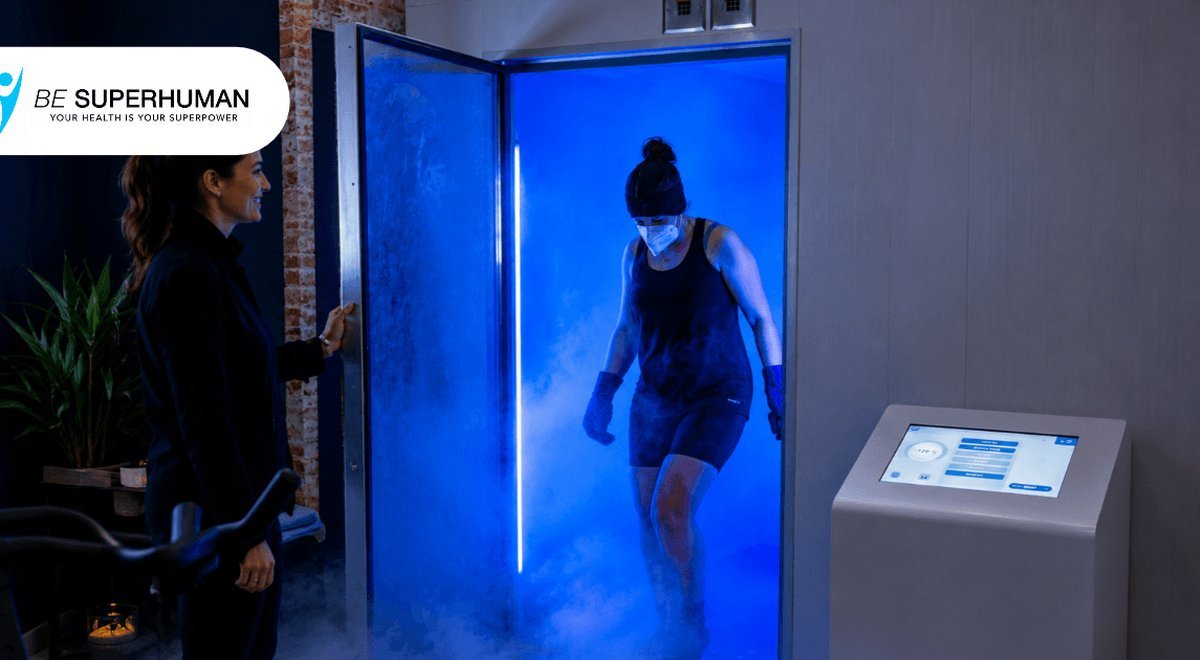
Cryotherapy offers a controlled, brief, whole-body or targeted cold exposure. Clients commonly book it around hard training blocks, and many report feeling more alert afterwards, which is why morning sessions are popular. Whole Body, Local and Facial options suit different needs.
Dynamic compression therapy works with neither cold nor heat. It uses sequential pressure to give the legs a comfortable pumping sensation, which many clients find helpful after running or a long day on their feet.
Red light therapy is neither hot nor cold. It is a calm, low-stimulation session often used in the evening as part of a wind-down routine.
Warm baths, saunas and heat packs are good, accessible options at home, particularly for stiffness and relaxation.
Using cold and heat together is perfectly reasonable. Some people finish a week with cryotherapy for freshness and use a warm bath at home for relaxation, which gives the best of both.
Cold calms and refreshes. Heat loosens and relaxes. Both are safe and useful for most healthy people when used sensibly, and neither is a replacement for sleep, movement, hydration and good training habits.
Choosing between them usually comes down to what the body feels like right now.
Many people find cold more comfortable soon after a hard session or a sudden strain, and heat more comfortable for dull stiffness and tightness. Personal preference counts, and either is generally fine if it feels better and nothing worsens.
They do different jobs. Cryotherapy is brief cold exposure that many people use for freshness and alertness around training. A hot bath relaxes tight muscles and helps with winding down. Many people use both at different times.
Yes. Many people use cold after hard training and heat later for relaxation, sometimes on the same day. If an area is fresh, swollen or hot, cold is usually the more comfortable choice first.
Research is mixed. Some studies suggest that regular cold exposure straight after strength training may blunt some growth signals. Using it on rest days, or after endurance work, is a simple way to avoid the question.
Anyone with circulatory problems, heart conditions, Raynaud’s, high blood pressure or who is pregnant should speak to their GP first. Reduced skin sensation and open wounds are also reasons to check before booking.
Schedule a call to talk to out health optimisation therapists at BE SUPERHUMAN
The choices you make today shape how you feel tomorrow. Experience personalised wellness therapies designed to support your body and mind.