
October 19, 2026
Landing is rarely the end of a long journey.
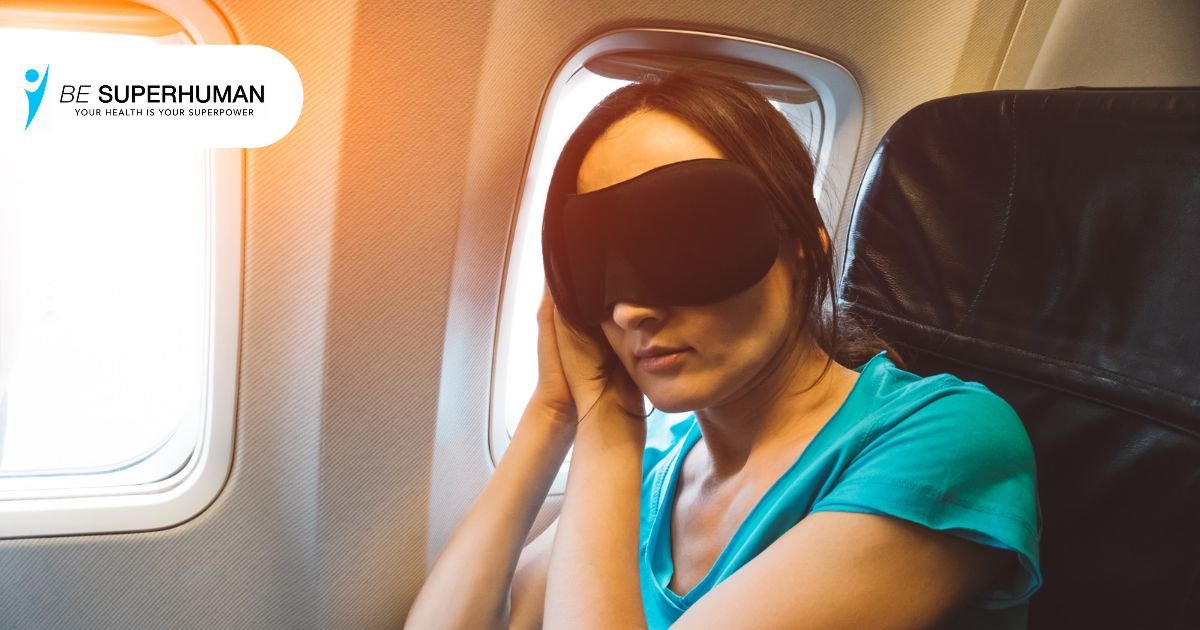
For most people it is the start of a day or two of feeling slightly off : heavy legs, a dry and tired feeling, a body clock that insists it is the middle of the night, and a general sense of being a few degrees below normal.
The flight itself is the cause, and the good news is that most of what helps is simple and within easy reach.
Several things happen at once on a long-haul journey, and each one explains a part of the post-flight slump.
Dry cabin air. Aircraft cabins are far drier than most indoor spaces. Fluid is lost steadily through breathing and skin, usually without any sensation of sweating, which is why many people land mildly dehydrated even if they drank a fair amount on board. Caffeine and alcohol, both common on flights, add to this.
Hours of stillness. Sitting for long stretches switches off the calf muscle pump that normally helps move blood and fluid back up the legs. The result is the familiar tight ankles, puffy feet and heavy legs on arrival. Our article on why sitting all day leaves legs feeling heavy explains the mechanism in more detail.
A disrupted body clock. The body runs on a roughly 24 hour internal rhythm that responds strongly to light. Crossing time zones puts that rhythm out of step with the local day, which affects sleep, appetite, alertness and mood until it realigns. A common rule of thumb is that the body adjusts by roughly an hour or so a day, which is why a big time difference can feel disruptive for several days.
Cabin conditions and disturbed sleep. Noise, cramped seating, lower cabin pressure and fragmented sleep all leave the body less rested than the hours on the clock would suggest.
None of this is a sign that anything is wrong. It is the expected result of an environment the body was not designed for.
A little structure in the first two days makes a real difference.
Rehydrate steadily. Sip water through the day rather than trying to catch up in one go, and go easy on alcohol and heavy caffeine until things settle. Adding electrolytes helps the body hold on to the fluid it takes in. Our article on hydration and recovery covers why this matters more than most people expect.
Get outside in daylight. Light is the strongest signal for resetting the body clock. Morning light at the destination tends to help the body shift earlier, while late afternoon light helps it shift later. A walk outside soon after waking, even on a grey day, does more than most people expect.
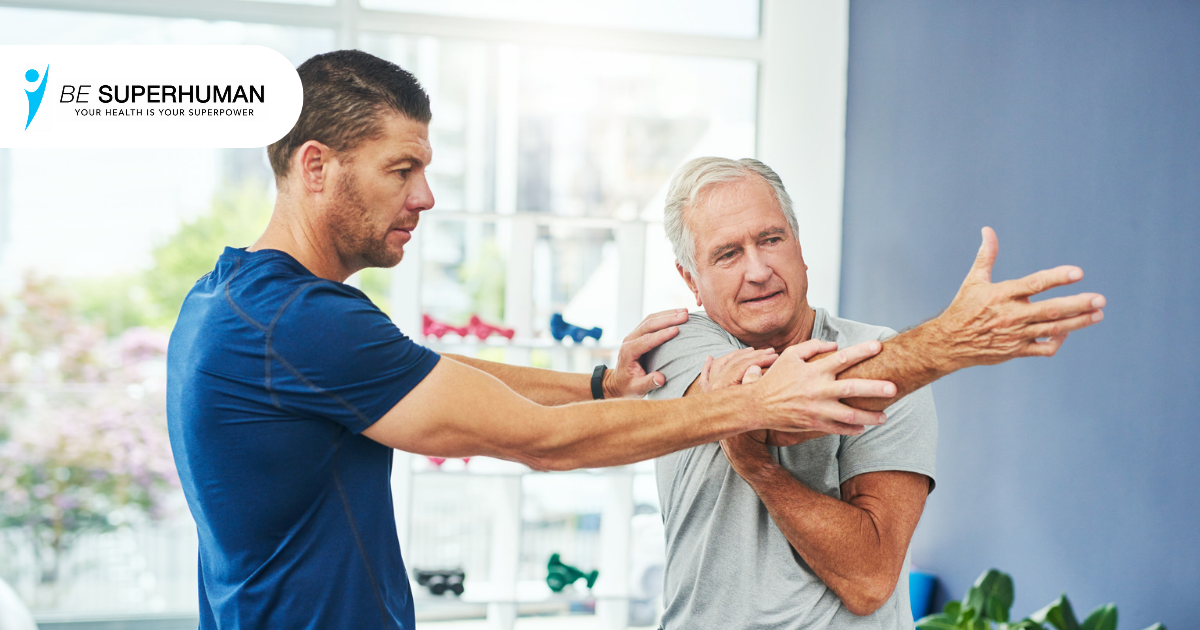
Move, gently. A walk, some light stretching and ankle and calf movements help restart circulation after hours of stillness. Save hard training for a day or two later, since a body that is already tired and slightly dehydrated has less capacity to recover from a tough session.
Anchor mealtimes and bedtime to local time. Eating and sleeping on the destination schedule, as far as possible, gives the body clock more cues to follow. A short nap of 20 to 30 minutes is fine if needed, but long daytime sleeps tend to prolong the adjustment.
Wind down properly in the evening. Dimmer lighting, less screen time and a cool, dark room all help sleep come more easily when the body clock is not yet on side.
The basics above do most of the work. Some clients like to add recovery sessions on top, particularly after a long-haul return when time is tight and they want to feel more like themselves quickly.
These are recovery and wellbeing tools. None of them is a cure for jet lag, and none replaces daylight, hydration, movement and sleep.
Heavy legs and slightly puffy ankles after a flight are common and usually settle within a day or so. Some signs are different and should be checked promptly :
Anyone with a history of blood clots, circulatory conditions or heart problems should speak to their GP before flying long distances and before booking compression therapy afterwards.
Drink steadily, get outside in daylight, move gently, keep to local time for meals and sleep, and ease back into training.
Recovery services can sit alongside those basics for anyone who wants extra support, but the foundations are free and they work.
Most people feel back to normal within a few days. The body clock typically adjusts by about an hour a day, so a large time difference can take several days to settle fully, even though tiredness and heavy legs often ease sooner.
Long periods of sitting switch off the calf muscle pump that helps return fluid up the legs, so fluid can settle in the lower legs and feet. Mild, symmetrical swelling that settles within a day is common. Swelling in one leg, or with pain, warmth or redness, should be checked by a GP.
Rehydrating steadily, getting outside in daylight, gentle movement, eating and sleeping on local time and limiting alcohol and caffeine all help. A short nap is fine, but long daytime sleeps can prolong the adjustment.
Light movement such as walking and stretching is helpful. Hard training is usually better left for a day or two, as the body is already tired and slightly dehydrated after travel.
Many clients find dynamic compression therapy comfortable and relaxing for heavy, tired legs after a long journey. It is a recovery and wellbeing treatment rather than a medical one, and anyone with a history of clots or circulatory problems should speak to their GP first.
Schedule a call to talk to out health optimisation therapists at BE SUPERHUMAN
The choices you make today shape how you feel tomorrow. Experience personalised wellness therapies designed to support your body and mind.